
Best Way To Worship Goddess Tara
D iscover the best way to worship Goddess Tara with this authentic, step-by-step puja guide. Learn sacred mantras, daily rituals, and transformative spiritual practices to invite profound peace, clarity, and divine guidance into your life with expert, compassionate support from Nabatara Institute for your spiritual journey today.
Published Date: 23 May 2026
Frequently Asked Questions
Why we are India's Best Astrology & Tantra Sadhna Institute
At Nabatara, we are committed to providing the best possible education and training in astrology, numerology, and related fields. Our team of experienced professionals is dedicated to helping you achieve your goals and improve your life.

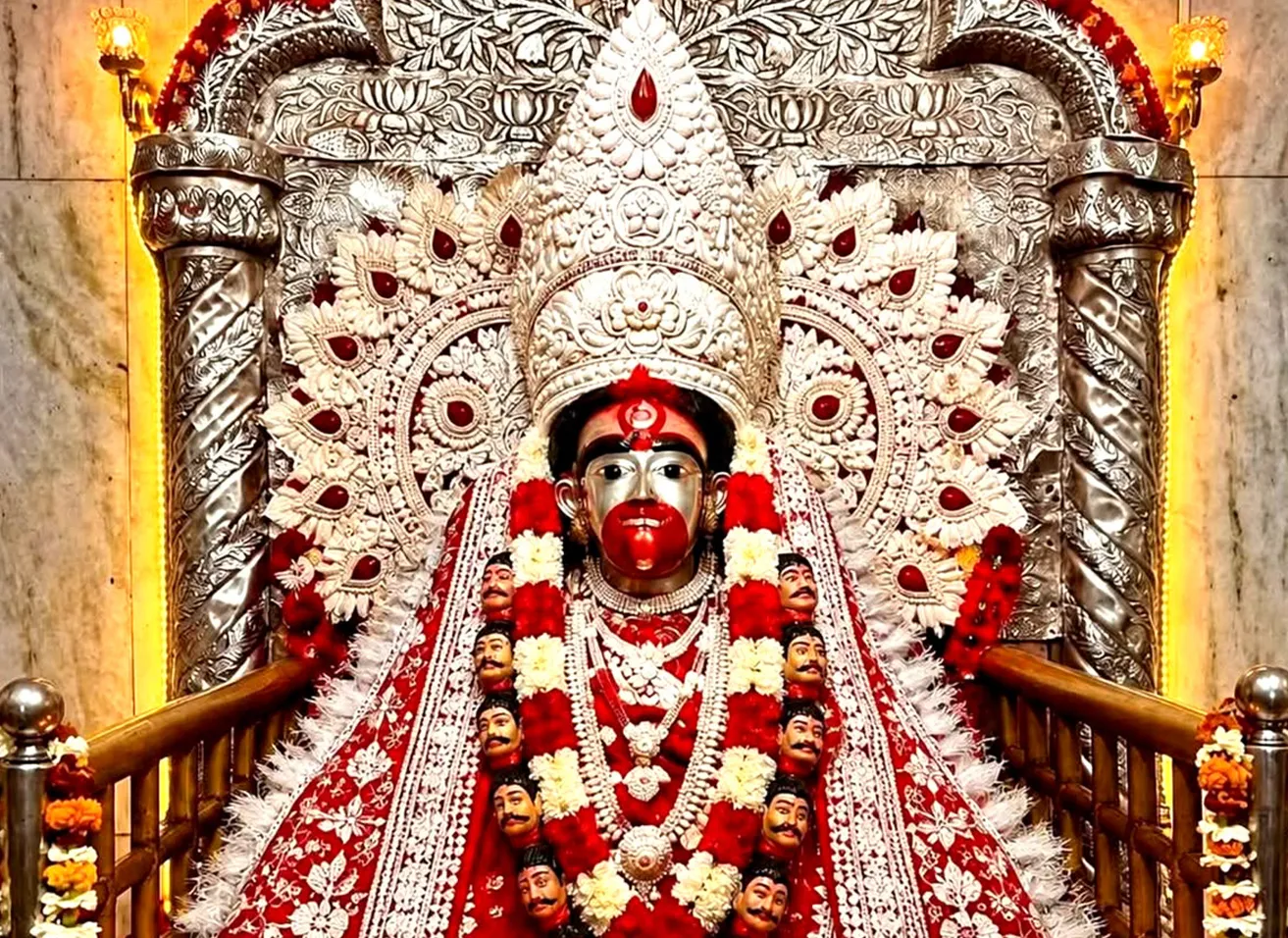
The best way to worship Goddess Tara at home is to establish a clean, peaceful space and approach her with sincere devotion, respect, and a clear understanding of her spiritual significance. Within Shakta traditions, Tara is worshipped as the Divine Mother who guides devotees through difficulties and represents wisdom, compassion, and liberation. Beginners can start by placing a picture or representation of the goddess in a clean prayer space. They may offer fresh flowers, water, incense, or a small lamp according to their family customs and personal devotional tradition. Spend a few moments remembering her qualities before offering a simple prayer. Those familiar with an appropriate devotional mantra can recite it attentively rather than concentrating only on the number of repetitions. A short period of silent meditation after prayer can also help develop concentration. Elaborate tantric rituals are not necessary for ordinary household devotion. Some specialized Tara mantras and sadhana procedures, however, require initiation and guidance from a knowledgeable Guru. The most important foundation is sincere worship without fear, unrealistic expectations, or the pursuit of guaranteed supernatural results.
Beginners should first understand the difference between a simple devotional prayer to Goddess Tara and a specialized tantric mantra before beginning regular chanting. One mantra discussed in Hindu Tara traditions is Om Hreem Streem Hum Phat, which contains several bija or seed syllables. These syllables have particular significance within tantric practice and do not have straightforward literal translations. Their pronunciation, interpretation, and method of repetition may differ between lineages. For someone new to Tara worship, learning about the goddess through devotional hymns, prayers, and traditional literature is a sensible starting point. If you wish to chant a specific tantric mantra, consult a knowledgeable teacher who can explain whether it requires Guru Diksha or formal initiation. Do not assume that every mantra published online is intended for unrestricted practice. Chanting should be approached with attention, humility, and an understanding of its religious context. Repeating unfamiliar syllables mechanically or increasing the number of repetitions excessively is not a substitute for proper instruction. A thoughtful devotional routine is more appropriate for beginners than experimenting with advanced tantric procedures without guidance.
The basic items for a simple Maa Tara Puja can include a clean picture or representation of the Goddess, fresh flowers, water, incense, and a small oil or ghee lamp. These offerings provide a traditional way to express reverence and devotion without requiring an elaborate arrangement. Some devotees also offer fruits, sweets, sandalwood paste, or other items according to their family customs and regional practices. A clean cloth or mat can be used to create a comfortable place for prayer. The specific flowers, colors, food offerings, and ritual materials associated with Goddess Tara may vary between Shakta traditions and particular tantric lineages. Therefore, no single shopping list should be treated as compulsory for everyone. Ordinary household worship is also different from formal tantric puja, which may involve specific yantras, mantras, ritual preparations, and instructions from a Guru. Beginners should avoid purchasing expensive ritual objects because of claims that they are essential for receiving the Goddess's blessings. Sincerity, cleanliness, respect, and understanding are more meaningful foundations for simple devotional worship than the quantity or cost of offerings.
Flowers offered to Goddess Tara should be selected according to the customs of the particular Shakta tradition or family practice being followed. Fresh flowers are commonly used in Hindu worship as expressions of respect, beauty, and devotion. Red flowers, including hibiscus in some regional goddess-worship traditions, are associated with fierce manifestations of Shakti. However, the preferred flowers for Tara may differ according to the form of worship, temple custom, and tantric lineage. Some descriptions of Tara worship also mention blue flowers, reflecting associations with her blue complexion and particular iconographic forms. These preferences should not be treated as universal rules unless they are prescribed by the relevant tradition. If you are performing simple household worship, offering clean and fresh flowers with sincere devotion is a reasonable approach. There is no need to become anxious if a particular flower is unavailable. Avoid damaging plants unnecessarily or purchasing expensive offerings because someone claims they guarantee spiritual results. The deeper purpose of offering flowers is to express humility and reverence towards the Divine Mother, while remembering the spiritual qualities that Goddess Tara represents.
North or east are traditionally preferred directions for performing Maa Tara Puja in some Hindu tantric and devotional practices. These directions carry symbolic associations with spiritual development, auspiciousness, and the orientation of sacred worship. The east is commonly associated with the rising sun, renewal, and illumination, while the north has significance in several Hindu spiritual traditions. When preparing your home altar, choose a quiet location where you can sit comfortably and face the direction prescribed by your family tradition or spiritual teacher. The direction should not become a source of anxiety if your home layout does not allow the preferred arrangement. A clean, peaceful environment and attentive devotion are more important for ordinary household prayer than achieving a supposedly perfect geographical alignment. Formal Tara sadhana may have specific directional requirements depending on the mantra and lineage. Such instructions should be obtained from an appropriate Guru rather than copied from unrelated ritual descriptions. Remember that directional symbolism belongs to traditional religious practice and should not be presented as a scientifically proven method of attracting positive energy or guaranteeing spiritual outcomes.
Blue is traditionally associated with Goddess Tara and is sometimes preferred during her worship because of her characteristic blue complexion and symbolic connection with infinite consciousness. Within Shakta traditions, blue can represent the vastness of the sky, depth, and the boundless nature of the Divine Mother. Some devotional practices therefore include a blue cloth on the altar or blue flowers as offerings. Wearing clean blue clothing may also help a devotee establish a personal connection with the symbolism of the Goddess. However, there is no universal requirement that every person must wear blue during ordinary Tara Puja. Clothing preferences and ritual colors can vary between families, regions, and tantric lineages. Clean, comfortable clothing is a sensible choice for everyday worship, particularly when the purpose is to maintain concentration without physical discomfort. Formal tantric observances may prescribe specific colors according to their particular tradition. Beginners should avoid treating color choices as compulsory conditions for receiving divine blessings. The deeper purpose of Tara worship is to cultivate devotion, understanding, and spiritual discipline rather than concentrate excessively on external appearances.
A simple Tara Puja Vidhi generally involves preparing the worship space, offering prayers, meditating on the Goddess, chanting an appropriate mantra, and concluding with flowers and aarti. Begin by cleaning the area and placing an image of Maa Tara on a suitable altar. Arrange fresh flowers, water, and a small lamp according to your devotional customs. Wash your hands and face, or bathe if convenient, before sitting comfortably for worship. You may perform a simple Achamana, a traditional purification observance involving water, if it is part of your practice. Next, establish a Sankalpa, meaning a sincere intention for the worship. Dhyana involves contemplating the form and qualities of Goddess Tara. Follow this with devotional prayer or mantra japa, repeating an appropriate invocation with attention. Pushpanjali, or offering flowers, and Aarti, the ceremonial waving of light, may be included before concluding with gratitude. This is an introductory household framework, not a complete tantric ritual manual. Formal Tara Puja can involve additional procedures that require instructions from a qualified teacher within the relevant tradition.
Sankalpa is the conscious intention or spiritual resolve established before beginning Maa Tara Puja. In Hindu ritual traditions, it helps the practitioner recognize the purpose of the worship and approach the ceremony with attention rather than performing actions mechanically. A simple Sankalpa may express gratitude, devotion, a desire for greater wisdom, or a commitment to spiritual discipline. Some formal puja procedures include traditional declarations concerning the worshipper, location, time, and purpose of the ritual. The exact wording and procedure vary according to the religious tradition being followed. For beginners, silently remembering why they wish to worship Goddess Tara can be a meaningful starting point. For example, a devotee may approach the prayer with the intention of cultivating patience, courage, and clarity in everyday life. Sankalpa should not be treated as a technique that guarantees the fulfillment of personal wishes or controls future events. Its deeper significance is the alignment of one's thoughts and actions with a sincere spiritual purpose. In this way, it provides a thoughtful beginning to the devotional experience.
The appropriate number of Tara mantra repetitions depends on the form of worship, the practitioner's experience, and the instructions of their spiritual tradition. A mala containing 108 beads is commonly used in Hindu mantra japa, allowing devotees to complete one round of repetitions without counting mentally. Some people prefer shorter devotional sessions, particularly when they are beginning their spiritual practice. However, 108 repetitions should not be regarded as a compulsory requirement for every form of Tara worship. Formal tantric sadhana may prescribe a specific number of repetitions or a longer observance known as an anushthana. These requirements can vary between lineages and should be followed only with appropriate instruction. For ordinary devotional prayer, a manageable routine that allows you to concentrate on the mantra is preferable to mechanically completing a large count. If you become distracted, gently return your attention to the sound rather than becoming frustrated. Consistency, understanding, and sincerity are important aspects of japa. There is no scientifically established repetition count that guarantees protection, prosperity, healing, or spiritual awakening.
Early morning and evening are commonly chosen for daily Maa Tara Puja because these periods can provide a peaceful environment for prayer and meditation. Brahma Muhurta, the traditional period before sunrise, is considered especially suitable for spiritual disciplines in several Hindu traditions. Devotees may also prefer worship after completing their daily responsibilities, when they can concentrate without interruptions. However, ordinary household devotion does not require everyone to follow an identical schedule. Choose a time that allows you to maintain a comfortable and consistent routine. Some formal tantric practices prescribe particular timings based on the mantra, ritual, or lineage, and these instructions should come from a knowledgeable teacher. Festival observances and special Tara worship may also follow specific traditional calendars. It is not necessary to sacrifice sleep or disrupt essential responsibilities to follow an unsuitable schedule. A short, attentive prayer can be more meaningful than a lengthy ritual performed under pressure. The purpose of choosing a regular time is to develop discipline and create space for devotion, reflection, and a deeper understanding of the Goddess.
Women can have a personal relationship with Goddess Tara throughout their lives, although customs concerning formal puja during menstruation vary between Hindu families, temples, and spiritual lineages. Some traditional households observe restrictions on participating in particular external rituals during menstruation, while other communities permit prayer and devotional remembrance without interruption. There is no single practice followed universally across all Shakta traditions. It is therefore helpful to distinguish personal devotion from participation in a specific ritual governed by family or lineage customs. Quiet prayer, reading devotional literature, and remembering the Divine Mother are approached differently in different communities. Menstruation is a normal biological process and should not be regarded as proof of spiritual impurity, a curse, or divine displeasure. Women should not feel pressured, shamed, or frightened by claims that an ordinary bodily process will automatically bring negative consequences. If formal tantric sadhana involves particular observances, discuss the relevant instructions respectfully with a knowledgeable teacher. The most important considerations are personal dignity, informed choice, and understanding the tradition being followed rather than relying on fear-based interpretations.
Yes, you can worship Goddess Tara through simple devotional practices without performing elaborate tantric rituals. Ordinary household devotion can involve offering flowers or water, lighting a lamp, saying a prayer, and reflecting on the qualities of the Divine Mother. Reading about Tara's significance as the second Mahavidya and understanding her association with compassion, guidance, and liberation can also deepen your connection with her worship. These practices are different from formal tantric sadhana, which may involve specialized mantras, yantras, visualization, ritual procedures, and initiation. Certain practices are traditionally transmitted by a Guru because their meaning and requirements depend on the particular lineage. Beginners should not assume that elaborate ceremonies are necessary to express sincere devotion or that purchasing expensive ritual materials guarantees divine blessings. A simple, respectful prayer can provide a meaningful starting point for learning about Shakta traditions. If your interest develops towards specialized Tara mantra practice, seek appropriate guidance before undertaking advanced procedures. Understanding the difference between devotional worship and formal Tantra helps practitioners approach the Goddess with greater confidence, cultural awareness, and respect for traditional teachings.
If you experience strong emotions during Tara mantra chanting, pause when necessary and respond with patience rather than assuming that the experience proves a spiritual awakening. Prayer and meditation can create opportunities for reflection, and some people become aware of feelings they had not previously considered. However, crying, fear, physical sensations, or emotional intensity should not automatically be interpreted as divine intervention, karmic cleansing, or the release of hidden spiritual energy. You can shorten your practice, sit comfortably, drink water, or discontinue chanting for the day if you feel overwhelmed. Avoid forcing yourself to continue a mantra or intensive meditation simply because you believe discomfort is necessary for spiritual progress. If distress persists, affects sleep, or interferes with everyday functioning, consider consulting a qualified mental healthcare professional. Spiritual guidance may complement appropriate support, but it is not a replacement for psychological treatment. A responsible approach to Tara worship respects both devotional experience and personal well-being. The aim should be a sustainable relationship with spiritual practice, not the pursuit of increasingly intense emotional experiences.
Yes, simple devotional Tara practices can be incorporated into a broader routine that includes gentle yoga and meditation, provided the activities are suitable for your physical abilities and personal circumstances. Yoga can help establish a comfortable posture and encourage awareness of the body, while meditation provides an opportunity for quiet reflection after prayer or mantra chanting. Some practitioners begin with a few gentle stretches, continue with their devotional worship, and finish with a short period of silent sitting. This combination can create a structured spiritual routine without requiring complicated techniques. However, specialized pranayama, intensive breath control, or advanced tantric visualization should not be added casually without appropriate instruction. Claims that particular yoga postures or mantra combinations automatically activate chakras, balance measurable energies, or cure medical conditions should be understood as traditional interpretations rather than established medical evidence. If a posture causes pain, modify it or stop. People with health concerns should obtain appropriate professional advice before undertaking demanding physical practices. At Nabatara Institute, yoga, meditation, and traditional spiritual learning are among the educational subjects relevant to students interested in a broader understanding of spiritual disciplines.
You can learn about traditional Goddess Tara worship through reliable religious literature, established Shakta teachings, and knowledgeable spiritual teachers familiar with Tantra Shastra. A useful learning program should explain the goddess's philosophical significance, the meaning of her mantra, the principles of puja, and the distinction between ordinary devotion and formal tantric sadhana. It should also clarify when a particular practice requires initiation rather than presenting every ritual as suitable for unrestricted use. Nabatara Institute, founded by Gaurav Tribedi, includes Tantra Shastra, ancient spiritual sadhana, and puja practices within its broader educational focus. The institute's website provides information about its spiritual learning programs for interested students. Before choosing a course, review the actual syllabus, teaching format, eligibility requirements, and the nature of the guidance provided. Students from Kolkata, other parts of India, and international locations can explore the available educational options. Be cautious of anyone promising guaranteed protection, miraculous healing, wealth, or supernatural powers through a paid ritual. Authentic spiritual education should encourage independent understanding, ethical conduct, respect for tradition, and responsible practice. Learning the philosophy behind Maa Tara worship is as important as understanding its external ritual procedures.