


Difference Between Spirituality And Religion Today
D iscover the profound difference between spirituality and religion today. While religion offers structured traditions, spirituality invites personal inner awakening and genuine growth. Nabatara Institute guides you through ancient Vedic wisdom, astrology, and meditation to nurture your unique soul journey toward holistic peace and true enlightenment.
Published Date: 09 May 2026
Frequently Asked Questions
Why we are India's Best Astrology & Tantra Sadhna Institute
At Nabatara, we are committed to providing the best possible education and training in astrology, numerology, and related fields. Our team of experienced professionals is dedicated to helping you achieve your goals and improve your life.

The difference between spirituality and religion primarily concerns how individuals explore faith, meaning, and their connection with something greater than themselves. Religion generally refers to an organized system of beliefs, scriptures, rituals, worship, moral principles, and shared community traditions. Spirituality is a broader personal exploration of inner awareness, self-discovery, purpose, and the experience of the sacred or divine. For example, attending temple services, following religious festivals, and performing traditional puja are expressions of religious practice. Meditation, self-reflection, mindfulness, and exploring consciousness are commonly associated with spirituality. However, these approaches frequently overlap. A person can experience deep spirituality through religious devotion, while another may explore spirituality without belonging to an organized religion. In Indian philosophical traditions, Dharma provides principles for ethical living, while Moksha represents spiritual liberation. Both concepts offer perspectives on the relationship between external responsibilities and inner realization. Neither religion nor spirituality is automatically superior. Their significance depends on individual beliefs, understanding, intentions, and conduct. Both can contribute to a meaningful life when practiced with sincerity, compassion, and respect.
Understanding the difference between spirituality and religion helps individuals make thoughtful decisions about their beliefs, personal values, and approach to inner development. Religion can provide an established framework of teachings, traditions, rituals, and community belonging, whereas spirituality often encourages personal reflection and exploration of life's deeper questions. Recognizing this distinction can help someone understand why they may feel connected to religious customs while also wanting a more personal spiritual experience. It can also reduce unnecessary confusion when exploring different philosophical traditions or meditation practices. For example, someone who regularly performs puja might begin studying the deeper symbolism behind the ceremony to develop a more conscious devotional practice. Another person might discover meaningful spiritual insights through meditation without participating in organized worship. Neither experience needs to invalidate the other. Understanding both concepts also encourages respect for people whose beliefs differ from our own. Academic discussions recognize that religion and spirituality have overlapping, context-dependent definitions rather than one universally accepted distinction. This understanding allows individuals to explore faith, purpose, and self-awareness without unnecessary judgment or pressure.
Yes, you can be spiritual without being religious because spirituality does not always require membership in an organized religion or adherence to a particular set of religious customs. Spirituality can involve discovering personal meaning, developing self-awareness, exploring consciousness, and cultivating a sense of connection with nature, humanity, or a higher reality. People who identify as spiritual but not religious may practice meditation, mindfulness, gratitude, philosophical reflection, or compassionate living without following formal religious institutions. Some explore teachings from Indian philosophy, Buddhism, or other traditions to understand different perspectives on existence. In Indian spiritual thought, practices such as Atma Vichara, meaning self-inquiry, provide an approach to understanding one's inner nature. However, individual interpretations differ across philosophical schools. Being spiritual without religion does not mean rejecting religious traditions or considering oneself more enlightened than religious individuals. It simply reflects a personal approach to spiritual exploration. The important consideration is whether your beliefs encourage honesty, responsibility, kindness, and meaningful engagement with everyday life. Spirituality can be a personal journey without requiring a religious identity.
Yes, a person can be both religious and spiritual, and many people experience their religious traditions as an important foundation for personal spiritual growth. Religion can provide sacred texts, established teachings, worship practices, festivals, and a supportive community. Spirituality can deepen the personal understanding of these traditions by encouraging reflection, devotion, self-awareness, and conscious living. For example, someone who regularly visits a temple may also practice meditation and study the philosophical meaning of the prayers they recite. A traditional puja can become a meaningful spiritual experience when performed with sincere attention and understanding. In Indian traditions, Bhakti Yoga emphasizes devotion, while Jnana Yoga focuses on knowledge and self-inquiry. Both offer different approaches to spiritual development. Religious participation and personal spiritual exploration therefore do not need to contradict each other. However, simply following religious customs does not automatically establish deeper self-understanding. Similarly, spirituality does not require rejecting cultural heritage. Individuals can develop a meaningful relationship with both through thoughtful practice, ethical behavior, personal reflection, and respect for different beliefs.
The main difference between religious practices and spiritual practices is that religious activities generally follow established traditions, while spiritual activities often emphasize personal awareness and inner exploration. Religious practices may include attending worship services, performing puja, observing festivals, following fasting traditions, reciting prayers, and participating in ceremonies. Spiritual practices may involve meditation, mindfulness, self-inquiry, contemplation, gratitude, and developing compassion. However, the distinction is not absolute because many activities belong to both categories. For example, mantra chanting can be a traditional religious practice and also a personal method of devotional concentration. Similarly, meditation can be practiced within a religious framework or independently. In Indian traditions, sadhana refers to disciplined spiritual practice undertaken for a particular purpose, such as devotion, concentration, or self-realization. Its methods differ according to the relevant tradition and teacher. The meaning of a practice also depends on intention, understanding, and cultural context. Rather than judging activities by their outward appearance, it is useful to examine the values they encourage. Both religious and spiritual practices can become meaningful when approached with awareness, sincerity, and responsibility.
Vedic and broader Hindu philosophical traditions offer several perspectives on the relationship between religious duties and spiritual realization. Dharma is commonly understood as duty, ethical responsibility, and principles that support harmony and order in life. Spiritual inquiry explores deeper questions about consciousness, the self, existence, and ultimate reality. Moksha, meaning liberation, represents an important spiritual ideal in several Hindu philosophical schools. The relationship between these concepts is more complex than simply describing religion as external and spirituality as internal. Traditional Indian teachings include devotion, ritual worship, philosophical inquiry, meditation, and disciplined action as different approaches to spiritual understanding. For example, Bhakti emphasizes devotion to the divine, while Jnana emphasizes knowledge and self-inquiry. Karma Yoga explores responsible action without excessive attachment to personal rewards. The Upanishads examine ideas such as Atman and Brahman, although their interpretations differ across philosophical traditions. Studying these concepts can help individuals understand the deeper foundations of Indian spiritual thought. Rather than treating religion and spirituality as opposing paths, Vedic philosophy provides diverse frameworks through which ethical living, devotion, knowledge, and liberation can be explored.
Religion is not universally necessary for spiritual awakening because individuals can explore self-awareness, consciousness, and deeper meaning through both religious and non-religious approaches. Organized religion may provide scriptures, ethical teachings, devotional practices, and guidance from established traditions. These elements can offer a structured foundation for spiritual exploration. However, individuals can also develop a personal spiritual routine through meditation, yoga, philosophical study, self-reflection, and mindful living without formally following a religion. Indian philosophical traditions describe several paths towards spiritual understanding, including Bhakti Yoga, Jnana Yoga, and Karma Yoga. These approaches emphasize devotion, knowledge, and responsible action, respectively. Their interpretations and methods vary between traditions. Spiritual awakening itself does not have one universally accepted definition or a scientifically established checklist of experiences. It should not be measured through unusual sensations, supernatural claims, or rejection of one's cultural background. Some individuals discover deeper meaning through religious devotion, while others find it through personal inquiry. A balanced approach involves choosing practices that align with personal beliefs and encourage humility, compassion, ethical conduct, and a thoughtful understanding of life.
Spirituality without religion refers to an individual's exploration of inner awareness, meaning, purpose, and connection without necessarily following an organized religious system. It can involve questions about human existence, personal identity, consciousness, nature, and the possibility of a higher reality. Unlike organized religion, this approach does not necessarily require a prescribed scripture, religious institution, worship schedule, or formal community affiliation. Individuals may develop their own spiritual routines through meditation, mindfulness, journaling, philosophical reading, and reflection on personal values. Some people also explore teachings from different Indian philosophical traditions to understand concepts such as Atman, Karma, and Moksha. However, spirituality without religion is not a single organized philosophy, and individuals interpret it in different ways. Some believe in God or a universal consciousness, while others understand spirituality through human connection, ethical living, and personal meaning. It is also important not to assume that independent spiritual exploration automatically produces greater wisdom or inner peace. A thoughtful spiritual life requires self-awareness, consistency, accountability, and respect for different perspectives.
Meditation can support spiritual development by encouraging self-observation, concentration, mindfulness, and a more thoughtful relationship with personal experiences. Unlike religious worship, which may follow a particular tradition, meditation can be practiced within different religious frameworks or independently as a personal discipline. Beginners can start with comfortable breath awareness, guided meditation, or observing thoughts without immediately reacting to them. Within Indian traditions, Dhyana refers to meditation and plays an important role in classical yoga philosophy. Different schools explain its purpose and methods in distinct ways. Regular, manageable practice may help individuals become more attentive to their emotions, habits, and decisions. Meditation can also provide an opportunity to reflect on questions about identity, purpose, and consciousness. However, it does not guarantee enlightenment, supernatural experiences, or medical or psychological healing. Beginners should avoid forcing concentration, prolonged breath retention, or advanced techniques without appropriate instruction. If meditation produces persistent distress or uncomfortable psychological experiences, it is sensible to pause and seek qualified guidance. Meditation can complement religious devotion, philosophical study, and everyday ethical living.
Faith, religion, and spirituality are connected concepts, but each describes a different dimension of human belief and experience. Faith generally refers to trust, confidence, or conviction in something considered meaningful or true. It may involve belief in God, sacred teachings, spiritual principles, or a higher reality. Religion refers more specifically to an established system of beliefs, practices, rituals, and traditions often shared by a community. Spirituality is a broader exploration of meaning, purpose, inner awareness, and connection with the sacred or something greater than oneself. For example, a person may have faith in a divine presence, express that faith through religious worship, and explore its personal meaning through meditation and self-reflection. These dimensions can overlap without being identical. In Indian traditions, Shraddha is often associated with faith, trust, or sincere conviction, although its meaning varies according to context. Understanding these distinctions helps individuals describe their beliefs more accurately. A person may be religious, spiritual, both, or neither, and personal beliefs can develop through education, experience, reflection, and changing life circumstances.
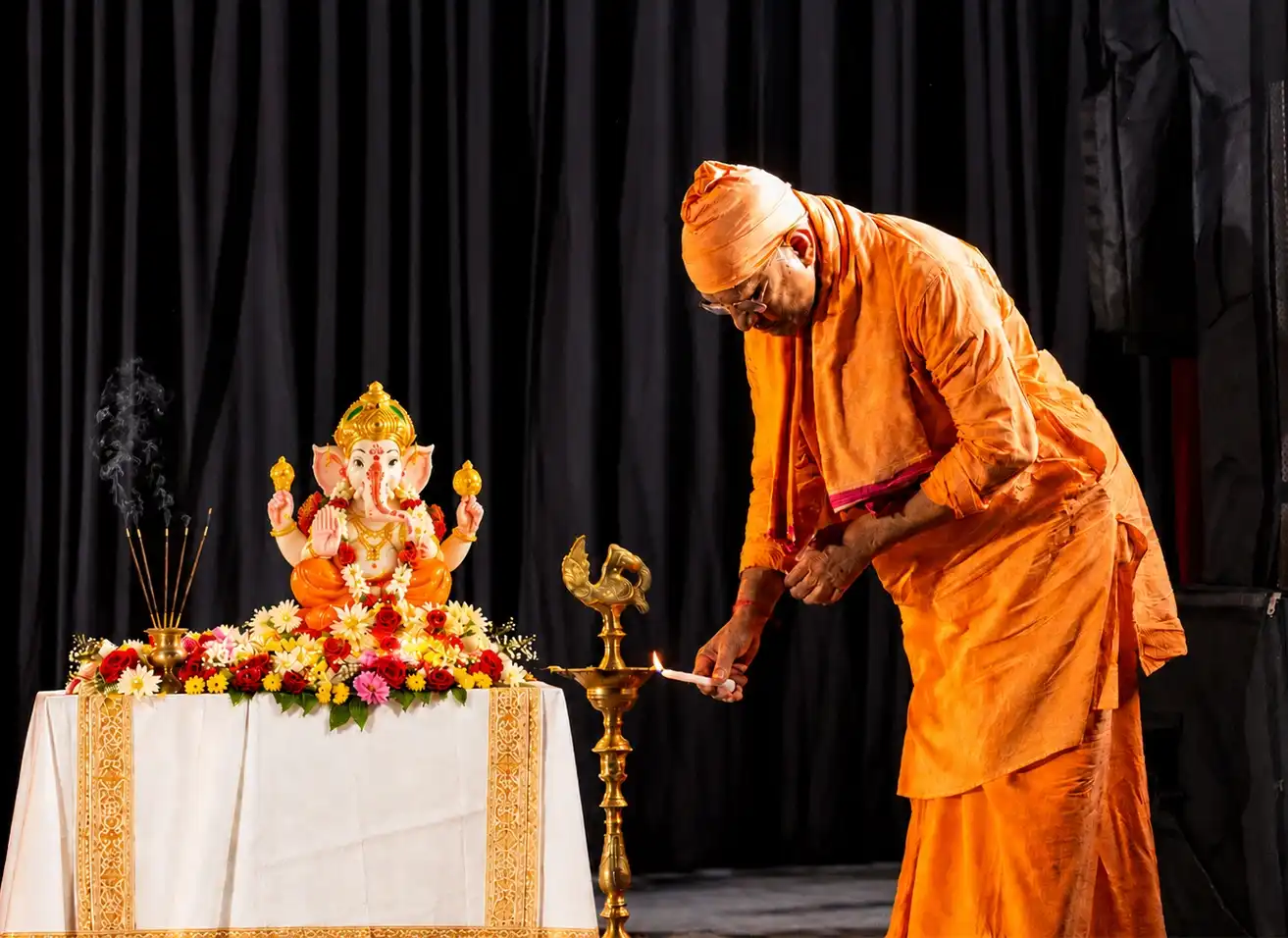
Yes, religious rituals can become meaningful spiritual practices when individuals understand their significance and perform them with sincere attention and intention. Traditional activities such as puja, prayer, mantra recitation, and devotional ceremonies often contain symbolic meanings connected with particular religious teachings. When performed mechanically, a person may focus mainly on completing the activity. However, approaching the same ritual with reflection, devotion, and awareness can create a more personal spiritual experience. For example, lighting a traditional lamp may represent the symbolic movement from darkness towards knowledge in certain Indian devotional contexts. Similarly, mantra recitation may be understood as a devotional or contemplative practice within a specific tradition. The interpretation of these activities varies across lineages and communities. Spiritual significance should not be confused with scientifically proven supernatural effects or guaranteed outcomes. Nabatara Institute's educational focus includes ancient spiritual sadhana and puja practices, which can help interested learners explore the traditional context of these disciplines. Understanding the purpose behind a practice allows individuals to respect their religious heritage while developing a more conscious relationship with their spiritual beliefs.
You can balance religious beliefs with personal spiritual exploration by respecting your traditions while allowing yourself to reflect, ask questions, and develop a deeper understanding of their teachings. Begin by identifying the values that matter most to you, such as devotion, honesty, compassion, responsibility, and self-discipline. Consider the meaning behind the religious activities you already practice instead of following them only out of habit or social pressure. You can gradually introduce personal activities such as meditation, philosophical reading, journaling, and mindful reflection. Studying the scriptures and philosophical foundations of your tradition may also help connect external religious practices with their deeper meaning. In Indian spiritual thought, Dharma offers a framework for responsible living, while practices such as Bhakti and Jnana provide different approaches to spiritual development. You do not have to abandon your religious identity to explore these ideas. Equally, you should not feel compelled to follow every practice without understanding or personal conviction. A balanced spiritual journey allows room for learning, respectful questioning, cultural connection, and independent reflection while maintaining healthy relationships and everyday responsibilities.
A Guru traditionally provides personal spiritual instruction, while organized religion generally offers a broader framework of shared beliefs, worship, community practices, and established teachings. In Indian traditions, a Guru may help students understand philosophical concepts, meditation, mantra traditions, and spiritual disciplines such as sadhana. A teacher may also explain how particular practices relate to the student's chosen philosophical or devotional path. Within organized religion, guidance may additionally come from priests, religious scholars, spiritual leaders, or community elders, depending on the tradition. These roles can overlap, but their responsibilities and authority are not identical. A Guru-student relationship traditionally emphasizes learning, discipline, trust, and the transmission of knowledge. However, choosing a spiritual teacher requires careful consideration. Look for transparent teaching methods, respect for personal boundaries, willingness to answer reasonable questions, and realistic explanations of spiritual practices. Avoid anyone who promises guaranteed enlightenment, demands unquestioning obedience, or uses fear to create dependency. Spiritual guidance should support independent understanding and responsible practice rather than replace personal judgment or appropriate professional advice.
Spirituality can become part of everyday life without formal religious customs by encouraging greater awareness, thoughtful behavior, and a meaningful connection with personal values. You can begin with simple activities such as mindful walking, comfortable meditation, gratitude journaling, and reflecting on your decisions. Practicing patience during disagreements, listening attentively, and treating others with compassion are also practical expressions of spiritual values. Indian philosophy offers useful perspectives through concepts such as Karma Yoga, which emphasizes responsible action without excessive attachment to personal rewards. This principle can be explored through ordinary responsibilities, including work, relationships, and family commitments. Another approach is to spend time studying philosophical literature that encourages reflection on identity, purpose, and ethical living. Spirituality does not require adopting a particular appearance, withdrawing from society, or abandoning material responsibilities. Nor does it require performing complicated rituals or following a rigid daily schedule. The goal is to bring greater consciousness to ordinary experiences rather than separate spiritual life from everyday activities. Consistency, sincerity, and practical responsibility can make personal spiritual exploration meaningful without requiring formal religious participation.
Beginners can learn about spirituality through introductory Indian philosophy, structured meditation programmes, traditional yoga education, and reliable resources explaining different religious and spiritual traditions. A useful starting point is to identify whether your primary interest is self-awareness, devotional practice, Vedic philosophy, meditation, or understanding the relationship between religion and spirituality. Reading introductory material on the Upanishads and Bhagavad Gita can provide philosophical context for concepts such as Dharma, Karma, Atman, and Moksha. Beginners interested in practical disciplines can explore gentle yoga, comfortable meditation, and reflective exercises before progressing to advanced practices. It is important to examine the teaching approach, course syllabus, instructor information, and practical expectations when choosing an educational institution. Nabatara Institute, founded by Gaurav Tribedi, offers educational opportunities covering Vedic knowledge, yoga, meditation, ancient spiritual sadhana, and related Indian traditions. Interested learners can explore relevant programs to identify subjects that match their learning interests. Avoid institutions or teachers promising guaranteed enlightenment, supernatural abilities, or miraculous outcomes. Responsible spiritual education should encourage curiosity, critical thinking, ethical conduct, and respect for different philosophical and religious perspectives.