
Who Is Goddess Tara Neel Saraswati
D iscover who Goddess Tara is and why she is deeply revered as Neel Saraswati. Learn authentic mantra practices, spiritual significance, and transformative sadhana with Nabatara Institute to unlock deep inner peace, profound clarity, and lasting holistic well-being for your sacred spiritual journey today with expert guidance.
Published Date: 23 May 2026
Frequently Asked Questions
Why we are India's Best Astrology & Tantra Sadhna Institute
At Nabatara, we are committed to providing the best possible education and training in astrology, numerology, and related fields. Our team of experienced professionals is dedicated to helping you achieve your goals and improve your life.

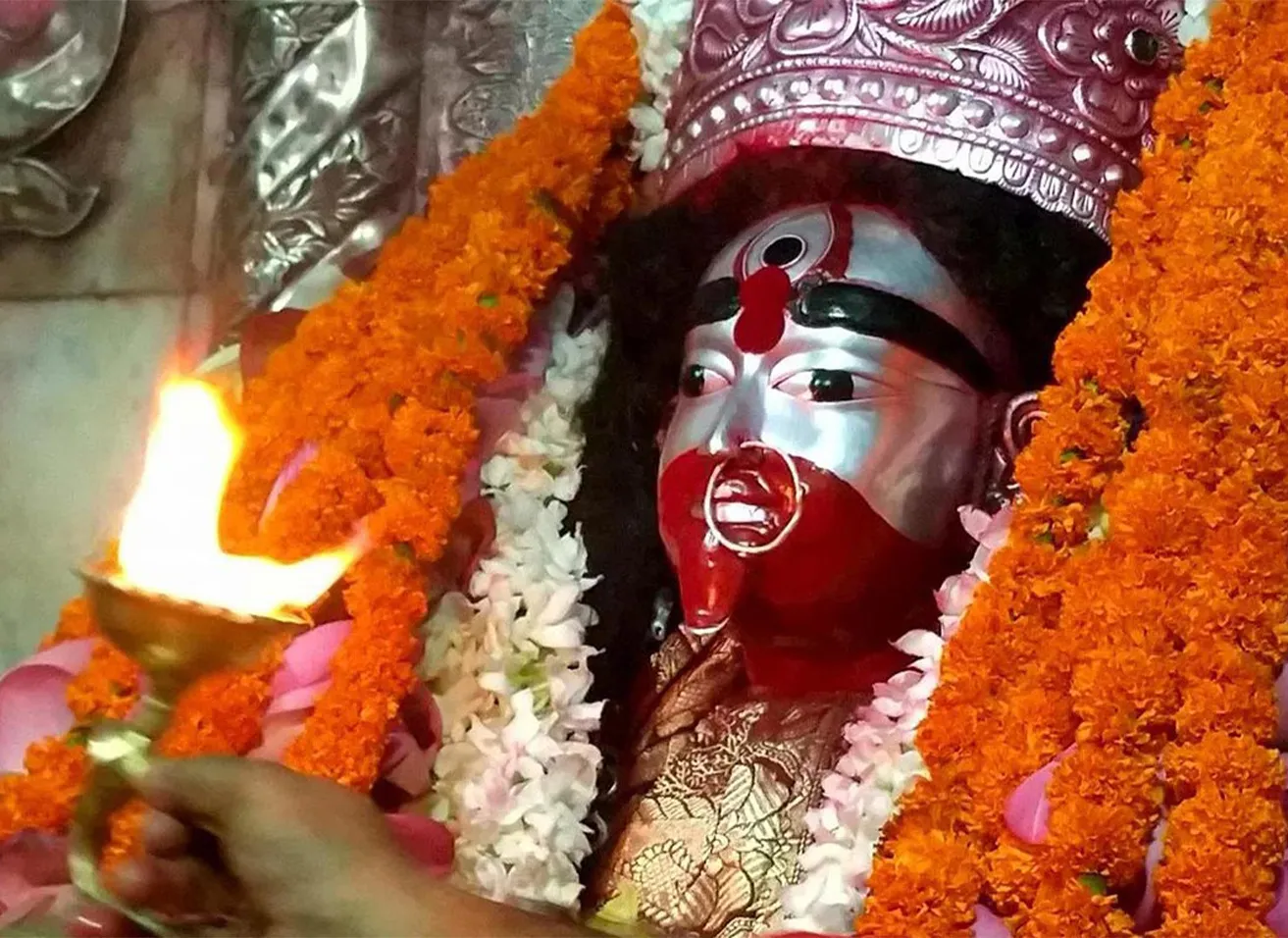
Goddess Tara is one of the ten Mahavidyas in Shakta Tantra, and she is traditionally revered as Neel Saraswati, or the Blue Saraswati. The name Tara is commonly interpreted as “she who helps one cross over,” symbolizing guidance through ignorance, difficulty, and the cycle of worldly existence. Neel Saraswati connects Tara with forms of wisdom that are considered profound, intuitive, and spiritually transformative. While Goddess Saraswati is widely associated with learning, music, and the arts, Tara is understood in certain Tantric traditions as a powerful expression of divine knowledge that guides seekers beyond ordinary understanding. The blue color associated with her form is often interpreted as a symbol of infinity, depth, and the vastness of consciousness. These meanings belong to religious and philosophical traditions rather than scientific descriptions. Understanding Tara as Neel Saraswati therefore involves studying her place in the Mahavidya tradition, her symbolism, and the devotional practices associated with her, rather than treating the title as simply another name for ordinary academic learning.
Goddess Tara and Goddess Saraswati are distinct forms of the Divine Feminine, although some Shakta and Tantric traditions associate Tara with the title Neel Saraswati. Saraswati is commonly worshipped as the goddess of knowledge, speech, music, learning, and the arts. Tara, meanwhile, is revered as a Mahavidya whose spiritual symbolism includes guidance, protection, and the wisdom that helps a seeker cross difficulties. The expression Neel Saraswati highlights a particular understanding of Tara as a bestower of deeper or esoteric knowledge. It does not mean that every tradition considers the two goddesses identical in form, mythology, or worship. Their relationship can vary across scriptures, regional practices, and lineages. For someone studying Shakta Tantra, it is useful to understand both the shared themes and the distinctions instead of combining every attribute into one general description. Worshippers may approach either goddess according to their devotional tradition, while specialized Tantric forms of worship should be learned through reliable textual study and appropriate guidance.
Goddess Tara is traditionally counted as the second of the Dasha Mahavidyas, the ten great wisdom goddesses of Shakta Tantra. The Mahavidyas represent different expressions of Adi Shakti, or the supreme Divine Feminine, and each has distinctive iconography, teachings, and forms of worship. In a widely narrated account, the ten goddesses manifest from Sati during her disagreement with Shiva over attending her father Daksha’s sacrificial ritual. Tara’s position as the second Mahavidya belongs to this traditional framework; it should not be understood as a ranking of spiritual importance or power. Her name is associated with crossing over, which gives her a symbolic role as a guide through the difficulties of worldly existence and spiritual ignorance. The ten Mahavidyas are studied together because their forms reveal different dimensions of Shakti and spiritual insight. Learning about Tara in this wider context helps prevent misunderstandings that arise when her images, mantras, or rituals are considered without reference to the broader Mahavidya tradition.
The blue color of Neel Saraswati is traditionally associated with infinity, depth, vastness, and the mysterious nature of consciousness. In depictions of Goddess Tara, the blue complexion is a distinctive feature that invites reflection on wisdom extending beyond ordinary appearances. Some practitioners interpret the color through the image of the limitless sky or deep ocean: both suggest something expansive that cannot easily be measured or contained. Within Shakta Tantra, this symbolism may be used during meditation or scriptural contemplation to reflect on the goddess’s guiding and transformative qualities. Interpretations can differ between texts, artistic traditions, and lineages, so there is no single explanation that applies to every representation of Tara. The color should also not be treated as evidence of a measurable energy or a guaranteed psychological effect. For a beginner, the most useful approach is to understand blue as a sacred visual symbol, study the form in its traditional context, and allow the symbolism to support thoughtful devotion rather than making literal claims about physical or supernatural changes.
Goddess Tara is often depicted with four hands holding objects such as a blue lotus, a curved sword, scissors, and a skull cup, although details vary across representations. These objects are generally interpreted symbolically within Tantric and Shakta traditions. The lotus can represent purity, spiritual unfolding, and the possibility of wisdom amid worldly difficulties. The sword is commonly associated with discernment, the capacity to cut through confusion and the destruction of ignorance. Scissors may symbolize the severing of attachments or limiting bonds, while the skull cup can refer to impermanence and the transformation of experience. These are interpretive meanings rather than fixed definitions shared by every lineage. Tara’s iconography may appear unfamiliar or intense to people encountering it for the first time, but it is best approached through its scriptural, ritual, and artistic context instead of sensational descriptions. Studying the goddess’s attributes together helps a seeker understand how her image communicates ideas about wisdom, transformation, and liberation. It also avoids reducing sacred imagery to decorative details without philosophical meaning.
Goddess Tara and Goddess Kali are both important Mahavidyas in Shakta Tantra, but their forms, symbolism, and traditional worship are not identical. Kali is often associated with time, transformation, the dissolution of limiting identities, and the reality of death. Tara is commonly understood through the idea of crossing over, guidance, and the wisdom that helps a seeker navigate difficult transitions. Their iconography can share features, and some Tantric traditions describe close theological relationships between them. However, their mantras, ritual procedures, visual forms, and interpretations may differ according to scripture and lineage. It is therefore misleading to say that one goddess is simply a gentler or stronger version of the other. A student should examine the specific textual and devotional context before comparing their practices. Both goddesses are revered as expressions of Shakti, but worship of a particular Mahavidya may involve lineage-specific instructions. General information about their symbolism can be studied independently; specialized mantra or ritual practice should not be improvised from short online descriptions.
Om Hreem Streem Hum Phat is presented in the article as an invocation associated with Goddess Tara. It combines Om with several bija mantras, or seed syllables, that carry traditional ritual and symbolic significance. In Tantric practice, bija syllables are not always translated as ordinary words; their interpretation depends on the deity, scripture, ritual context, and teaching lineage. Om is widely used as a sacred syllable, while Hreem, Streem, Hum, and Phat are understood through specific Tantric frameworks rather than having one universally accepted dictionary meaning. Devotees may chant a Tara mantra as an expression of reverence, concentration, and spiritual intention. However, claims that each syllable has a scientifically measured frequency, removes particular diseases, or guarantees protection are not established facts. The mantra given in a general article should not automatically be assumed suitable for every practitioner or every form of Tara worship. Anyone wishing to undertake formal Tantric japa should first understand the relevant tradition and ask a knowledgeable teacher whether initiation or specific instructions are required.
Whether a beginner may chant a Tara mantra without initiation depends on the particular mantra and the tradition in which it is taught. Some devotional practices are presented publicly for general remembrance, while certain Tantric mantras and ritual procedures are traditionally transmitted through a guru or lineage. The distinction matters because a mantra may have specific pronunciation, visualization, observances, and restrictions that cannot be understood from its wording alone. A person interested in Goddess Tara can begin by learning about her mythology, the Dasha Mahavidyas, devotional hymns, and the meaning of her symbolism. Before adopting a specialized bija mantra such as the one discussed in the article, it is sensible to seek clarification from a qualified teacher familiar with the relevant Shakta tradition. Avoid assuming that every mantra found online is universally appropriate or that a high repetition count produces faster results. A respectful beginning focuses on understanding, consistency, and humility, not intensity. If formal initiation is part of the lineage’s method, follow that guidance rather than attempting advanced practices independently.
A beginner can prepare for simple devotional worship of Goddess Tara by choosing a clean, quiet place and setting aside a regular period for prayer or reflection. A picture of the goddess may be placed respectfully in the worship area, and a simple offering such as fresh water or a flower can express devotion. The article describes blue flowers and a small lamp as possible elements, but elaborate arrangements are not necessary for every form of household worship. Sit comfortably, keep the surroundings orderly and take a moment to settle your attention before beginning. You may offer a short prayer or read a traditional account of Tara’s significance if you are not yet familiar with her worship. Customs differ between families and Tantric lineages, so do not treat one online sequence as the only authentic method. Avoid fire or incense if the space is unsafe or poorly ventilated. For formal puja involving specific mantras, nyasa, mudras, or Tantric procedures, learn the method from an appropriate teacher rather than experimenting with instructions intended for initiated practitioners.
Tara Sadhana is a disciplined spiritual practice centered on Goddess Tara, and it may include mantra repetition, meditation, visualization, worship, and the study of related teachings. Ordinary prayer can be a simple expression of devotion, gratitude, or a personal request, whereas sadhana generally implies a more structured and sustained discipline. The exact form of Tara Sadhana differs across Shakta traditions and Tantric lineages. Some practices are suitable for general devotional learning, while others involve specialized mantras, ritual steps, or initiation. It is therefore important not to assume that every method described online is appropriate for independent practice. Sadhana is not a shortcut to guaranteed wealth, protection, healing, or life changes. Practitioners may understand it as a way to deepen devotion, concentration, self-reflection, and spiritual understanding, but individual experiences vary. Beginners can start by studying Tara’s place among the Mahavidyas and learning the meaning of her iconography. Anyone seeking formal practice should receive clear instruction about preparation, limits, and the tradition’s expectations from a knowledgeable guide.
The blue lotus associated with Goddess Tara is a sacred symbol often interpreted as purity, wisdom, and spiritual unfolding. A lotus grows in muddy water yet rises above the surface to bloom, making it a familiar metaphor for maintaining clarity and dignity amid the difficulties of ordinary life. In depictions of Tara, the blue lotus also connects with the goddess’s distinctive blue form and the title Neel Saraswati. Its meaning may be explored through meditation on the image, devotional contemplation, or the study of Tantric iconography. Some worshippers may offer a blue flower when it is available, but the use of a particular flower is not a universal requirement for every household or lineage practice. Devotion should not become a source of anxiety if a specific offering cannot be obtained. A clean and sincere offering made according to one’s family or teacher’s tradition is more appropriate than making unsupported claims about the supernatural effects of a particular flower. The lotus is best understood as a meaningful spiritual symbol, not as an object that guarantees a specific outcome.
Some devotees find mantra chanting personally meaningful during periods of anxiety, grief, or uncertainty because it gives them a regular moment for prayer, reflection, and focused attention. Within the Tara tradition, worshippers may experience the goddess as a compassionate guide through difficult circumstances. However, emotional responses to chanting vary, and there is no basis for claiming that a Tara mantra cures anxiety, trauma, depression, or other health conditions. Crying, restlessness, or strong feelings during practice do not prove that a spiritual purification process is taking place; emotions can arise for many reasons. If chanting feels overwhelming, pause the practice, return to a grounding activity, and speak with someone you trust. If distress is persistent, severe, or affects sleep, work, or daily functioning, seek support from a qualified mental health professional. Do not stop prescribed treatment or medication in favor of spiritual practice. Tara worship may remain a source of personal meaning alongside appropriate care, provided it is approached gently and without pressure to interpret every emotional experience as a supernatural sign.
There is no single time or repetition count that applies to every form of Tara mantra japa. The article describes a daily routine and mentions a 108-bead mala as a way to count repetitions, but specific numbers and timings can vary according to the mantra, ritual method, and teacher’s instructions. Some devotees prefer the quiet of early morning because it helps them establish a regular routine; others practice at a different time that fits their responsibilities. Consistency and attentive pronunciation are generally more useful than choosing an ambitious count that becomes difficult to maintain. A mala is a counting aid, not a guarantee of spiritual results. If a mantra belongs to a formal Tantric practice, follow the prescribed method from the relevant lineage rather than adopting a number from a general online guide. Beginners should avoid prolonged or forceful chanting that causes strain. The purpose of japa is devotional and contemplative discipline, not a competition to complete the largest number of repetitions or a promise that a desired event will occur.
Tara Sadhana may be accompanied by gentle yoga or meditation when the practices are compatible with the practitioner’s tradition and personal circumstances. Yoga postures can help some people become more comfortable before sitting for prayer, while a short period of silent meditation after devotional chanting may provide time for reflection. The article discusses this kind of integration as a way to approach spiritual practice through body, attention, and devotion. However, there is no need to combine multiple disciplines or use advanced techniques to worship Goddess Tara. Beginners can keep the routine simple and avoid intensive pranayama, prolonged breath retention, or demanding postures without qualified instruction. Claims that particular poses or breathing exercises activate Tara’s energy or produce guaranteed spiritual effects should be understood as traditional or personal interpretations, not established scientific conclusions. If you have an injury, medical condition, or experience discomfort, adapt the physical practice with guidance from an appropriately qualified yoga professional or healthcare provider. Keep the central focus on respectful learning and a sustainable routine rather than trying to force unusual experiences.
A reliable way to learn about Goddess Tara and Neel Saraswati is to study the Mahavidya tradition, consult reputable translations and commentaries, and seek guidance from a teacher who can explain the relevant Shakta or Tantric lineage. Online articles can introduce the goddess’s symbolism and devotional context, but they may not provide enough detail for specialized mantra or ritual practice. Nabatara Institute’s article presents Tara worship alongside its broader focus on Tantra Shastra, ancient spiritual sadhana, and puja practices. The institute identifies Gaurav Tribedi as its founder and describes educational programs in traditional spiritual subjects. Prospective learners should review the specific syllabus, teaching method, instructor background, level of guidance, and any initiation requirements before enrolling; details should be confirmed directly with the institute rather than assumed from general promotional descriptions. A sound learning environment should welcome questions, explain the difference between public devotional practices and lineage-specific methods, and avoid promises of guaranteed healing, protection, or material success. The aim should be informed, respectful study that helps learners understand the tradition without fear or unrealistic expectations.