


Sacred Kali Mantra Spiritual Growth Timeline
D iscover the sacred Kali mantra, its profound transformative benefits, and the authentic timeline required for deep spiritual growth in your daily life. Begin your enlightened, peaceful journey with Nabatara Institute expert guidance and structured Vedic courses today to unlock true inner peace and lasting harmony now.
Published Date: 19 May 2026
Frequently Asked Questions
Why we are India's Best Astrology & Tantra Sadhna Institute
At Nabatara, we are committed to providing the best possible education and training in astrology, numerology, and related fields. Our team of experienced professionals is dedicated to helping you achieve your goals and improve your life.

There is no fixed or scientifically established timeline for experiencing the effects of Kali mantra chanting. In Shakta traditions, spiritual progress is generally understood as a personal process shaped by regular practice, devotion, understanding, and the guidance a practitioner receives. Some people may find that a short chanting session helps them pause and focus, while others may need time to become comfortable with the pronunciation and routine. The Nabatara article discusses 40-day and 90-day periods as milestones for developing a practice, but these should not be treated as guaranteed deadlines for spiritual awakening, emotional change, or supernatural results. A 40-day routine can be used as a personal commitment if it is appropriate to your tradition and circumstances. Notice practical aspects such as consistency, attention, and whether the practice remains meaningful to you. Avoid judging your spiritual progress by dramatic experiences or promises made by others. The value of a devotional practice cannot be measured by a guaranteed number of days.
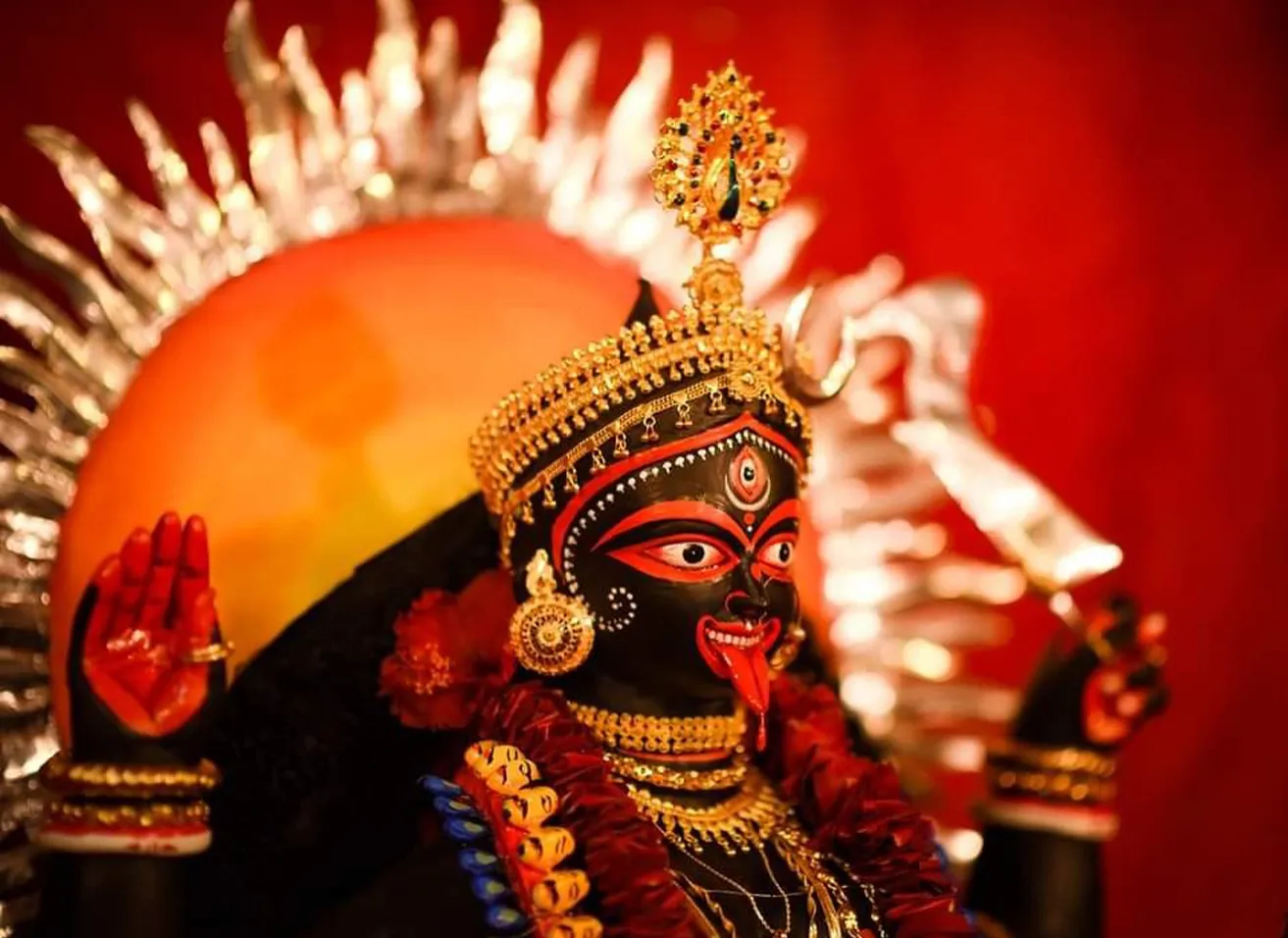
“Om Kreem Kalikaye Namah” is a devotional mantra associated with Goddess Kali in some Shakta and tantric traditions. “Om” is a sacred syllable used in many Hindu prayers, while “Kreem” is regarded as a bija, or seed syllable, associated with Kali. “Kalikaye” is a form of address to the goddess, and “Namah” expresses reverence or salutation. The mantra is therefore commonly understood as an offering of respect to Maa Kali. Its pronunciation and interpretation may vary according to transliteration and lineage, so learners should avoid assuming that every English spelling represents the exact Sanskrit sound. Within devotional traditions, practitioners may chant it as an expression of faith, remembrance, or spiritual discipline. Claims that its syllables scientifically alter energy channels, remove karma, or guarantee protection are not established scientific findings. If you are interested in formal tantric practice, learn the mantra's context and requirements from a knowledgeable teacher rather than relying only on an online transliteration.
Forty-day and 90-day Kali mantra routines are practice periods discussed in some contemporary spiritual guidance, but they are not universal requirements followed by every Shakta tradition. A 40-day commitment may help a person establish a regular devotional habit, while a longer period can provide more time to study the mantra and reflect on the experience. The word "mandala" is used in some Indian spiritual contexts for a cycle of practice, although its precise duration and requirements depend on the tradition. The Nabatara article presents 40 and 90 days as stages in a broader spiritual-growth timeline; these should be understood as suggested milestones, not guaranteed stages of transformation. There is no reliable evidence that chanting for exactly 40 or 90 days will create a particular psychological, physical, or supernatural result. If you choose a daily routine, keep it manageable and follow any relevant guidance from your teacher. Missing a session should not become a reason for fear, guilt, or extreme compensatory practice.
The Nabatara article describes three broad stages of Kali sadhana as purification, stabilization, and integration. These can be understood as a reflective framework for discussing how a devotional routine may develop, rather than as a fixed sequence that every practitioner must experience. Purification, sometimes described using the term Kriya, represents the intention to examine habits and become more aware of one's thoughts and actions. Stabilization, or Sthiti, can be understood as developing consistency and bringing greater steadiness to daily practice. Integration, sometimes called Laya in this context, refers to carrying the values and insights of spiritual study into everyday conduct. These terms have wider meanings across Indian philosophical and spiritual traditions, so their use can differ between teachers. Not everyone experiences these stages in the same order, and there is no scientific test that confirms a person has reached a particular spiritual stage. Emotional upheaval, unusual dreams, or distress should not automatically be interpreted as evidence of purification. Seek appropriate support if such experiences affect your well-being.
The number of times you should chant the Kali mantra depends on the form of practice you follow and any instructions given by your teacher. Some devotees use a mala containing 108 beads to count repetitions, while others choose a shorter count or chant for a set period. Beginners do not need to begin with a demanding number. A small, comfortable routine can help you learn the pronunciation and become familiar with the prayer without making the practice difficult to maintain. In formal tantric sadhana, repetition counts may be prescribed as part of a specific discipline, and those instructions should come from the relevant tradition. Do not assume that a larger number automatically produces greater spiritual benefit or that missing a count invites harm. The purpose of japa, or mantra repetition, is traditionally connected with devotion and focused remembrance. Choose a realistic routine that fits your responsibilities, health, and circumstances. If you have received an initiated mantra, follow the guidance of the teacher who gave it to you.
The best time to chant the Kali mantra is a time that suits your devotional tradition and allows you to practice regularly without rushing. Many people prefer early morning because their surroundings may be quieter and they can begin the day with prayer. Others choose the evening or a time associated with their household worship. Certain Shakta and tantric traditions prescribe specific timings for particular forms of Kali worship, but these rules should not be assumed to apply to every devotional mantra. If you have received instructions from a teacher, follow the guidance relevant to that practice. Otherwise, choose a comfortable time when you can sit attentively for a few minutes. Consistency can help establish a routine, but there is no scientifically proven hour at which the mantra produces guaranteed results. Do not sacrifice sleep, work, or essential responsibilities to meet an arbitrary schedule. If you miss your usual time, you can return to your practice when convenient rather than feeling anxious that something negative will happen.
Beginners should learn the meaning and pronunciation of a suitable devotional Kali mantra before establishing a simple, comfortable chanting routine. One commonly shared form is “Om Kreem Kalikaye Namah,” although transliteration and pronunciation can vary. Choose a quiet place, sit in a posture that does not cause discomfort, and begin at a natural pace. You may chant aloud, softly, or mentally, depending on your comfort and the instructions of your tradition. Give attention to the words instead of trying to create a particular sensation or emotional experience. If your mind wanders, gently return to the mantra without becoming frustrated. You can begin with a short session rather than setting an ambitious repetition target. A mala is optional for a simple devotional routine, although some practitioners use one to keep count. Advanced tantric mantra procedures may have additional requirements, including initiation or direct instruction. Do not copy complex ritual instructions from unverified websites. A gradual approach allows you to learn respectfully while keeping the practice manageable.
Kreem, also written as Krim or transliterated as K????, is regarded as a bija mantra, or seed syllable, associated with Goddess Kali in certain Shakta and tantric traditions. "A bija" is not an ordinary word with a simple dictionary definition; it is treated within the tradition as a sacred sound carrying symbolic and devotional significance. Interpretations of Kreem may connect it with Kali, Shakti, transformation, or divine power, but explanations differ across teachers and texts. The Nabatara article discusses the syllable as part of the mantra “Om Kreem Kalikaye Namah.” When learning it, pay attention to pronunciation and the context in which it is taught rather than relying on elaborate claims about the meaning of each sound. Some bija mantras are traditionally transmitted through initiation, so students interested in formal tantric practice should ask a knowledgeable teacher about the relevant requirements. There is no established scientific evidence that chanting Kreem physically burns away karma, changes hidden energy channels, or guarantees supernatural effects.
If you feel emotional or uncomfortable while chanting the Kali mantra, pause the practice and respond to what you are experiencing with care rather than assuming it is a sign of spiritual purification. Prayer and meditation can bring attention to thoughts or feelings that were already present, but emotional intensity does not prove that a mantra is removing karma, trauma, or negative energy. You can shorten the session, stop for the day, or choose a quieter form of devotional practice if that feels more suitable. Avoid forcing yourself to continue because someone has told you that discomfort is necessary for spiritual progress. If the experience includes persistent anxiety, panic, disturbing thoughts, sleep disruption, or difficulty managing daily activities, consider speaking with a qualified healthcare or mental health professional. Spiritual guidance may be meaningful alongside appropriate support, but it should not replace treatment. A responsible teacher will respect your well-being and will not frighten you into continuing a practice that feels harmful. There is no need to interpret every unusual experience as a supernatural event.
Some devotees find Kali mantra chanting personally comforting or helpful as a regular moment of prayer, but it is not an established treatment for anxiety or other mental health conditions. Repeating a familiar prayer may give a person something meaningful to focus on and create a quiet pause in a busy day. Experiences differ, however, and chanting does not guarantee emotional stability, better sleep, or freedom from distress. The Nabatara article describes practitioners who experienced changes in how they responded to everyday pressures; such accounts should be understood as personal narratives rather than clinical evidence that the mantra treats anxiety. If you experience persistent worry, panic, insomnia, depression, or other symptoms, consult a qualified healthcare professional. Do not stop prescribed medication or therapy because of a spiritual interpretation. You may continue a simple devotional routine alongside professional care if it feels comfortable and does not interfere with treatment. Avoid anyone who promises a cure through a fixed number of repetitions or attributes your symptoms to a curse or harmful spiritual influence.
If you do not notice a particular change after 40 days of Kali mantra chanting, it does not mean that you have failed or performed the practice incorrectly. A 40-day period is used as a devotional or discipline cycle in some contexts, but it is not a scientifically established deadline for spiritual or psychological results. People approach prayer with different expectations, backgrounds, and levels of familiarity, so their experiences naturally vary. Instead of searching for dramatic signs, reflect on practical questions: have you understood the mantra better, maintained a manageable routine, or developed a clearer sense of why you practice? You may also decide that a different form of devotional activity suits you better. Do not increase repetitions excessively, spend money on urgent remedies, or continue a practice that causes distress just to force an outcome. If you are following a specific lineage, discuss your questions with a responsible teacher who can explain its expectations. Spiritual practice should allow patience and personal choice, not create pressure to produce a result by a deadline.
Whether initiation is necessary depends on the particular Kali mantra and the tradition in which it is taught. Simple public devotional prayers may be used by devotees without formal initiation, while certain bija mantras and advanced tantric practices are traditionally transmitted through diksha, or initiation, by a teacher. The distinction matters because a mantra may have specific pronunciation, ritual context, preparation, or commitments within a particular lineage. It is not accurate to say that every prayer to Maa Kali requires a guru, nor is it wise to assume that every mantra found online is appropriate for independent tantric practice. If you are beginning with a commonly shared devotional prayer, learn its meaning and use it respectfully. If you want to undertake formal Kali sadhana, ask a knowledgeable teacher which practices are open to beginners and which require initiation. A responsible guru should explain expectations clearly and respect your consent, privacy, and personal boundaries. Avoid anyone who demands money through threats, promises guaranteed siddhis, or insists that questioning their authority will bring spiritual harm.
You can chant a Kali mantra aloud, softly, or mentally, depending on the type of practice and the guidance of your tradition. In discussions of japa, three common modes are often described: audible recitation, whispered recitation, and mental repetition. Audible chanting may help beginners become familiar with the words and pronunciation. Whispered or mental repetition may be more convenient in shared spaces or when a quiet devotional practice is preferred. Traditions differ in how they understand the value and suitability of each method, so there is no single rule that applies to every mantra. If you have received a specific mantra through initiation, follow the instructions given by your teacher. For a simple public prayer, choose a method that allows you to remain comfortable and attentive. There is no need to strain your voice, hold your breath, or force concentration. The purpose is devotional remembrance rather than achieving a particular physical sensation. If you are unsure about pronunciation, learn the sound carefully before moving to silent repetition.
Kali mantra chanting can be included in a broader personal routine with gentle yoga or meditation, provided the activities are suitable for your experience and physical condition. Some devotees begin with a few minutes of comfortable movement, continue with a short prayer, and then sit quietly for reflection. Others prefer to keep mantra chanting as a separate devotional practice. In traditional settings, the relationship between mantra, meditation, and yoga varies according to the school and purpose of the practice. You do not need to combine several disciplines or perform advanced techniques to show commitment. Avoid intensive breathwork, prolonged breath retention, or strenuous postures without appropriate instruction, especially if you are new to these activities or have health concerns. Claims that combining these practices automatically balances brain activity, activates energy channels, or accelerates spiritual awakening should not be presented as established scientific facts. If a movement or meditation causes pain, dizziness, panic, or distress, stop and seek suitable guidance. Choose a balanced routine that respects your well-being and daily responsibilities.
You can learn about Kali mantra chanting through reliable devotional resources, traditional texts, and teachers who can explain the practice within its Shakta or tantric context. Look for instruction that covers the meaning of the mantra, Sanskrit pronunciation, the significance of Goddess Kali, and the difference between a public devotional prayer and formal tantric sadhana. Ask whether the teacher identifies the tradition or sources informing the lessons and explains which practices require initiation or direct supervision. Be cautious of courses that promise guaranteed spiritual awakening, healing, supernatural protection, or dramatic results within a fixed number of days. Nabatara Institute's article discusses Kali mantra practice, its spiritual-growth timeline, and the relationship between mantra, meditation, and sadhana. People interested in learning through the institute should confirm current course availability, syllabus, format, instructor information, and fees directly rather than assuming these details. A suitable learning environment should encourage questions, cultural respect, realistic expectations, and personal boundaries. The aim should be a clearer understanding of the tradition and responsible devotional practice, not dependence on promises or fear.