Why Vastu Plants for Home Matter
In the quiet corners of our homes, where sunlight filters through leaves and the air carries the scent of earth, a profound transformation awaits. This is not merely about decoration; it is about aligning your living space with the cosmic rhythms that govern prosperity, peace, and emotional balance. In this comprehensive guide, we explore the ancient science of Vastu Shastra through the lens of botanical wisdom. You will discover how specific indoor plants, such as the holy Tulsi, the resilient bamboo, and the vibrant money plant, act as living conduits for positive energy.
There is a moment in every seeker's life when the noise of the external world becomes too loud to ignore. It often happens in the quiet hours of the evening, when the day's demands have finally subsided, and one is left alone with the echoing silence of their own home. You look around at the walls, the furniture, the objects that have accumulated over years of living, and yet, something feels missing. There is a subtle heaviness in the air, a stagnation that no amount of cleaning seems to remove. Perhaps you have achieved material success, yet peace remains elusive. Perhaps you struggle with anxiety that seems to cling to the very corners of your bedroom. Or maybe you feel a spiritual thirst, a longing for a connection to something greater than the routine of daily survival.
This feeling is not a flaw in your character; it is a signal from your soul. It is an invitation to look deeper at the environment you inhabit, for in Sanatan Dharma, we understand that the microcosm of our home reflects the macrocosm of the universe. The energy within your four walls directly influences your mind, your health, and your destiny. This is where the ancient wisdom of Vastu Shastra meets the living breath of nature, offering a path back to harmony through the simple, profound presence of Vastu plants for home.
When we speak of Vastu, many imagine rigid architectural rules or complex calculations that seem inaccessible to the modern homeowner. However, at its heart, Vastu is the science of energy flow. It is about understanding how the five elements—earth, water, fire, air, and space—interact within a defined space to create either balance or chaos. Among these elements, the earth element is represented most vividly by plants. They are not just decorative objects; they are living beings with their own consciousness, their own rhythm, and their own ability to absorb, transform, and radiate energy. In the Vedic tradition, nature is never separate from the divine. Every leaf, every root, and every flower is a manifestation of prana, the life force that sustains all existence.
When we bring plants into our homes, we are inviting this prana to circulate among us. But not all plants serve the same purpose. Just as different mantras resonate with different deities, different plants resonate with different energies. Some are guardians, protecting the home from negative influences. Others are attractors, drawing in wealth and abundance. Some are healers, soothing the nervous system and calming the mind. To choose the wrong plant, or to place it in the wrong direction, is to disrupt the delicate energetic ecosystem of your home. This is why the knowledge of Vastu plants for home is not merely horticultural advice; it is a spiritual practice.
This wisdom flows from a lineage that has preserved these truths for thousands of years. At the Nabatara Institute of Astrology, founded by Tantra Avishikta Gaurav Tribedi, we do not view Vastu as an isolated subject. It is intertwined with Jyotish (astrology), Tantra (energy work), and spiritual sadhana (practice). Gaurav Tribedi, a devoted disciple of the Sri Jagadguru Shankaracharya lineage, has spent decades studying how the physical environment interacts with the subtle bodies of the inhabitants. He teaches that a home is a yantra, a geometric instrument that can either amplify your spiritual growth or hinder it. When you align your home with Vastu principles, you create a supportive field for your sadhana.
Consider the common experience of walking into a forest. The air feels cooler, cleaner, and more vibrant. Your breathing slows down. Your mind becomes quieter. This is not just a psychological effect; it is a physiological and energetic response to the high concentration of prana in that environment. Now, imagine bringing even a fraction of that forest energy into your living room. Imagine waking up to the sight of lush green leaves that have been purified by the morning sun in the east, the direction of new beginnings. Imagine the scent of holy Tulsi filling your prayer room, creating a sacred atmosphere that elevates your consciousness during puja. Imagine the gentle rustle of a bamboo plant in the southeast, reminding you of flexibility and resilience in the face of life's challenges. These are not fantasies; they are tangible realities available to anyone who understands the language of plants.
The importance of this topic cannot be overstated in our current times. We live in an era of unprecedented stress, digital overload, and environmental disconnection. Our homes have become offices, schools, and entertainment centers, often lacking the sanctity and balance they once held. The boundaries between work and rest have blurred, leading to burnout and emotional exhaustion. In this context, the role of Vastu plants for the home becomes even more critical. They act as natural regulators, helping to restore the balance that modern life disrupts. They filter not just the air but also the emotional tone of the space. A well-placed money plant can help alleviate financial anxiety by reinforcing the energy of abundance. A peace lily can soothe tensions in a household prone to arguments. An aloe vera plant can protect against the harsh electromagnetic radiation of our devices, which is a form of modern-day negative energy.
At Nabatara, we believe that true prosperity is not just about bank balances; it is about the richness of life experience, the depth of relationships, and the clarity of mind. It is about living in alignment with Dharma, the cosmic order. When your home is in harmony with Vastu, you are in harmony with Dharma. And plants are the gentlest, most beautiful way to achieve this harmony. They require no complex rituals, only love and attention. They ask for nothing but sunlight, water, and care, and in return, they give us their life force. This exchange is the foundation of a grateful and abundant life. As you read this guide, you are not just learning about gardening; you are learning about yourself. You are learning how to create a space that nurtures your soul.
We invite you to approach this knowledge with an open heart and a curious mind. Let go of the idea that Vastu is superstitious or outdated. Instead, see it as a sophisticated science of energy management that has been tested by millennia of human experience. Trust in the wisdom of the sages who observed the patterns of nature and codified them for our benefit. Trust in the guidance of Gaurav Tribedi, who has distilled these ancient truths into practical applications for the modern seeker. And trust in your own intuition, which will guide you to the plants that resonate with your unique energy. As we journey through the various aspects of Vastu plants, remember that each plant is a teacher. Each placement is a lesson. Each bloom is a blessing. You are not just decorating your home; you are consecrating it. You are turning it into a temple of life, where every breath is infused with positivity and every corner radiates peace. This is the promise of Vastu plants for home, and it is a promise that Nabatara is dedicated to helping you fulfill.
The Vedic Foundations: Ancient Knowledge for Today's Home
To truly understand the power of Vastu plants for home, we must first root ourselves in the soil of Vedic wisdom. The Vedas, the oldest scriptures of humanity, do not treat nature as a resource to be exploited but as a sacred manifestation of the Divine. In the Rig Veda, plants are praised as healers and protectors. The Atharva Veda contains numerous hymns dedicated to specific herbs and trees, acknowledging their medicinal and spiritual properties. This reverence for the plant kingdom is not merely poetic; it is based on a deep understanding of the subtle energies that permeate all creation. In the Vedic worldview, everything is connected through a web of consciousness. The stars influence the planets, the planets influence the elements, and the elements influence the living beings on Earth. Plants, being rooted in the earth and reaching towards the sky, act as antennas that receive cosmic energies and ground them into the physical plane.
Vastu Shastra itself is derived from the Sthapatya Veda, a branch of the Atharva Veda that deals with construction and design. It is based on the principle that the universe is composed of five elements: Prithvi (Earth), Jal (Water), Agni (Fire), Vayu (Air), and Akasha (Space). These elements are not just physical substances; they are states of energy. For a home to be harmonious, these elements must be balanced within its boundaries. Plants primarily represent the Earth element, but they also interact with water (through irrigation), fire (through photosynthesis and sunlight), air (through respiration), and space (by occupying volume and influencing airflow). Therefore, the placement of plants is a precise science that requires an understanding of how these elements interact in different directions. For example, the northeast direction is associated with the water element and is considered the most sacred part of the home, governed by Ishanya, the aspect of Shiva. Placing heavy earth elements like large potted plants in this direction can block the flow of positive spiritual energy. Instead, light, airy plants or water features are recommended.
The Brihat Parashara Hora Shastra, the foundational text of Vedic astrology, also highlights the connection between plants and planetary energies. Each planet is associated with specific types of vegetation. For instance, the sun is linked to hardy, upright plants like the Arka or Calotropis. The moon is associated with watery, cooling plants like the white jasmine. Mars is linked to thorny or red-flowered plants, though these are generally avoided in Vastu due to their aggressive energy. Jupiter, the planet of wisdom and expansion, is connected to sacred trees like the Peepal and Banyan, as well as aromatic herbs like turmeric. Saturn is associated with slow-growing, durable plants like bamboo. By understanding these planetary associations, we can use plants to remedy specific astrological doshas or imbalances in our birth charts. This is a level of sophistication that goes far beyond general Vastu tips. It allows for a personalized approach to home harmony, where the plants are chosen not just for their general benefits but for their specific resonance with the individual's karmic pattern. This integration of Jyotish and Vastu is a hallmark of the teaching at Nabatara Institute of Astrology, where Gaurav Tribedi emphasizes the holistic nature of spiritual practice.
In the Tantric tradition, which forms the core of Gaurav Tribedi's lineage, plants are seen as manifestations of Devi, the Divine Mother. Each plant has a specific yantra (geometric form) and mantra (sound vibration) associated with it. The Tulsi plant, for example, is considered an incarnation of Vrinda Devi, a devotee of Lord Vishnu. Worshiping Tulsi is not just a ritual; it is a way of connecting with the energy of devotion and purity. The betel leaf, used in many puja ceremonies, is associated with Lakshmi, the goddess of wealth. Offering Betel leaves to the deity is a way of inviting prosperity into the home. These tantric insights reveal that plants are not passive objects; they are active participants in our spiritual sadhana. They carry the blessings of the deities and can transmit these blessings to those who care for them with reverence. This is why the act of watering a plant, pruning its leaves, or speaking to it gently is considered a form of yoga. It cultivates mindfulness, compassion, and a sense of interconnectedness.
The concept of prana is central to this understanding. Prana is the vital life force that animates all living beings. In yoga, we learn to control our prana through breathwork (pranayama). Similarly, plants are masters of prana management. They absorb carbon dioxide and release oxygen, but on a subtle level, they also absorb negative emotions and release calming vibrations. A home filled with healthy, vibrant plants has a higher pranic charge, which uplifts the mood and energy of the inhabitants. This is particularly important in today's world, where we are constantly exposed to low-vibration stimuli such as negative news, violent media, and stressful interactions. Plants act as a buffer, filtering out this negativity and replacing it with freshness and vitality. They help to maintain a high-frequency environment that supports mental clarity and emotional stability.
However, the Vedic texts also warn against the misuse of plants. Not all plants are suitable for indoor environments. Some plants, such as the cactus or other thorny varieties, emit sharp, aggressive energy that can cause irritability and conflict. These plants are associated with Mars and Saturn in their malefic aspects, and their presence in the home can disrupt the peace. Similarly, dead or dying plants should be removed immediately, as they represent stagnant or decaying energy. Keeping such plants in the home is akin to keeping clutter in the mind; it blocks the flow of new opportunities and growth. The Vedic approach emphasizes the importance of vitality and health in the plant kingdom. Only healthy, thriving plants should be kept indoors, as they are the ones that can effectively transmit positive energy. This requires regular care and attention, which in itself becomes a spiritual discipline. It teaches us responsibility, patience, and the joy of nurturing life.
The Nabatara Institute of Astrology preserves this unbroken Guru-Shishya parampara (lineage), ensuring that the knowledge of Vastu plants is not diluted by modern misconceptions. In our Advanced Tantra Sadhana Course, students learn how to energize plants with mantras and rituals, turning their home gardens into sacred spaces. In our Jyotish Foundation Program, we teach how to select plants based on individual planetary periods (Dashas) to support personal growth and remediate challenges. This integrated approach ensures that our shishyas (disciples) do not just learn theory but gain practical tools for transforming their lives. We believe that knowledge without application is useless. Therefore, we encourage our students to start small, perhaps with a single Tulsi plant or a money plant, and observe the changes in their environment and inner state. Over time, they develop an intuitive understanding of how plants affect their energy, allowing them to make more informed choices about their home decor.
The scriptural roots of this practice are deep and wide. The Vastu Purusha Mandala, the cosmic diagram that underlies Vastu Shastra, depicts the universe as a living being. The different parts of this being correspond to different directions and functions in the home. Plants play a key role in balancing the energies of this cosmic body. For example, the head of the Vastu Purusha is in the northeast, and it should be kept light and open. The feet are in the southwest, and they should be heavy and stable. By placing appropriate plants in these areas, we honor the Vastu Purusha and invite his blessings. This anthropomorphic view of the home reminds us that our living space is alive and responsive. It is not just a container for our belongings; it is a partner in our journey. When we treat it with respect and care, it responds in kind, providing us with comfort, protection, and prosperity.
As we move forward in this exploration, keep in mind that the Vedic foundations are not static rules but dynamic principles. They require interpretation and adaptation to the specific context of each home and each individual. What works for one person may not work for another. This is where the guidance of a qualified teacher becomes invaluable. Gaurav Tribedi, with his deep understanding of both Vastu and Jyotish, can provide personalized recommendations that take into account the unique energetic signature of your home and your birth chart. This personalized approach is what sets Nabatara apart from generic online advice. We do not believe in one-size-fits-all solutions. We believe in empowering each seeker with the knowledge and tools to create their own unique path to harmony. By grounding ourselves in these ancient truths, we can navigate the complexities of modern life with grace and wisdom, using the simple beauty of plants as our guides.
The Hidden Dimensions: Secrets of Vastu Plants Only the Sadhaka Knows
While many blogs list the "best" plants for Vastu, few delve into the esoteric mechanics of how these plants actually interact with the subtle bodies of the inhabitants. This is the realm of the sadhaka, the serious practitioner who understands that the physical world is merely a shadow of the subtle realities. In this section, we reveal the hidden dimensions of Vastu plants, insights that are often reserved for initiates in the Tantric tradition. These secrets are not meant to mystify but to empower you with a deeper understanding of the energy dynamics at play in your home. When you grasp these principles, your relationship with your plants transforms from one of mere maintenance to one of conscious co-creation.
One of the most profound secrets is the concept of directional resonance. Each direction in Vastu is governed by a specific deity and planetary energy. The North, governed by Kubera, the god of wealth, is associated with the water element. Plants placed here should be water-loving and have rounded, soft leaves to enhance the flow of abundance. The Money Plant (Pothos) is ideal here, but only if it is allowed to climb upwards, symbolizing the rise of wealth. However, a lesser-known secret is that the color of the pot matters. A blue or black pot in the north can amplify the water element, while a red pot can create a clash with fire, potentially leading to financial losses. This level of detail is often overlooked, yet it can make a significant difference in the energetic outcome. Similarly, in the East, governed by Indra and the Sun, plants should be bright and vibrant to capture the morning solar energy. The Tulsi plant is perfect here, but it must be placed on a raised platform to honor its sacred status. Placing it directly on the ground can diminish its spiritual potency.
Another hidden dimension is the role of sound and vibration. Plants are sensitive to sound waves. In the Tantric tradition, specific mantras are chanted to energize plants and enhance their beneficial properties. For example, chanting the Lakshmi mantra near a money plant can activate its wealth-attracting potential. Chanting the Gayatri Mantra near a Tulsi plant can amplify its purifying and protective powers. This practice, known as Vriksha Ayurveda, or tree medicine, is a specialized branch of knowledge that Gaurav Tribedi incorporates into his teachings. It transforms the act of gardening into a spiritual sadhana, where the gardener becomes a channel for divine energy. The vibrations of the mantras penetrate the cellular structure of the plants, altering their energetic frequency and making them more effective in balancing the home's Vastu. This is why it is recommended to speak kindly to your plants and avoid shouting or arguing in their presence. Negative speech creates dissonant vibrations that can harm the plants and reduce their efficacy.
The timing of planting and repotting is also a crucial secret. According to Vedic astrology, certain lunar phases and planetary transits are more auspicious for gardening activities. Planting during the waxing moon (Shukla Paksha) is generally favorable for growth and expansion, while the waning moon (Krishna Paksha) is better for pruning and removing negative energy. Additionally, avoiding gardening activities during Rahu Kaal (inauspicious time of the day) can prevent the introduction of chaotic energy into the home. These temporal considerations add a layer of precision to Vastu practice, aligning the physical act of planting with the cosmic rhythms. At Nabatara, we teach our students how to calculate these auspicious timings using their own birth charts, ensuring that their gardening efforts are supported by the planets. This integration of time and space is a hallmark of advanced Vastu practice.
Furthermore, the shape and form of the plant carry symbolic meaning. Upright, vertical plants like bamboo or snake plants represent stability and upward growth, making them suitable for the south and west directions. Climbing plants like money plants or ivy represent expansion and connectivity, making them ideal for the north and east. However, climbing plants should never be allowed to grow on the walls of the house, as this can symbolize being trapped or overwhelmed by problems. They should be supported by trellises or stakes, indicating controlled growth. Flowering plants bring the energy of joy and creativity, but their colors must be chosen carefully. Red flowers are associated with passion and energy, suitable for the Southeast (fire zone), but can cause aggression if placed in the Northeast. White flowers are associated with purity and peace, ideal for the Northeast and West. Yellow flowers bring wisdom and optimism, suitable for the North and East. Understanding these color energetics allows for a more nuanced approach to plant selection.
A rarely discussed secret is the impact of plant health on the inhabitants' karma. A dying plant is not just an eyesore; it is a reflection of stagnant or blocked energy in the home. It indicates that the prana flow is obstructed, possibly due to unresolved emotional issues or negative karma. Ignoring a dying plant can exacerbate these problems, leading to further decline in health or fortune. Therefore, the sadhaka is advised to regularly inspect their plants and take immediate action if any signs of distress appear. This may involve repotting, changing the location, or even removing the plant if it cannot be revived. This attentiveness is a form of self-care, as it forces the individual to confront and clear the energetic blockages in their life. It is a practical application of the principle that outer cleanliness leads to inner purity.
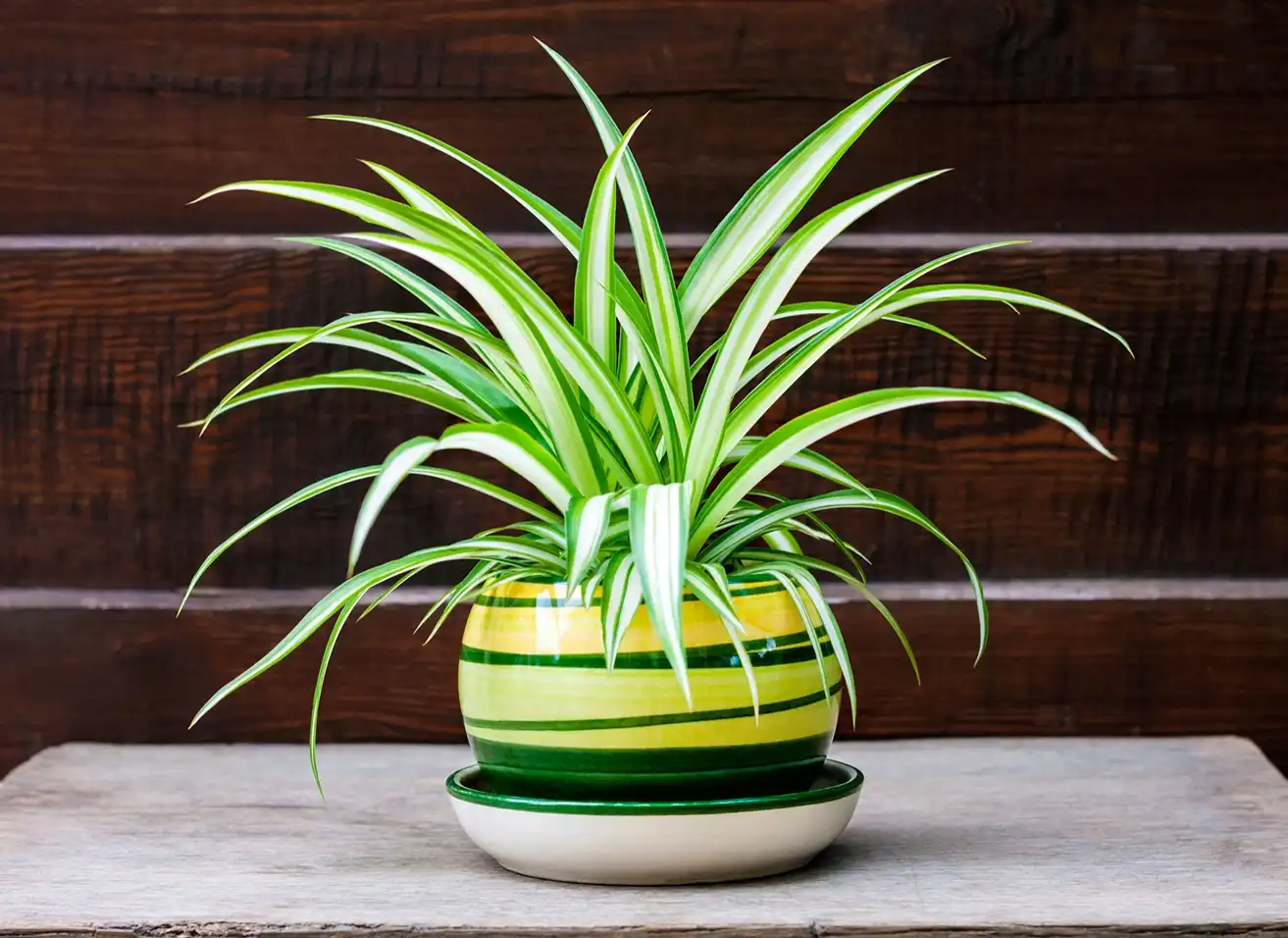
The interaction between plants and electronic devices is another modern consideration with ancient roots. Electronics emit electromagnetic fields (EMFs), which are a form of Agni (Fire) energy. Excessive EMF exposure can disrupt the body's energy field, leading to fatigue and stress. Plants like aloe vera, snake plant, and spider plant are known to absorb EMFs and mitigate their harmful effects. Placing these plants near computers, televisions, and Wi-Fi routers can create a protective shield, reducing the negative impact of technology on health. This is a practical upay (remedy) for the digital age, combining traditional Vastu wisdom with contemporary needs. Gaurav Tribedi often emphasizes this point in his lectures, highlighting the relevance of ancient knowledge in solving modern problems.
Finally, the secret of intention cannot be overstated. The energy of the planter infuses the plant. If you plant with fear, anger, or greed, the plant will absorb these vibrations and reflect them back. If you plant with love, gratitude, and positive intention, the plant will become a vessel for these high-frequency emotions. This is why the ritual of planting is so important. Before planting, take a moment to set a clear intention for what you wish to cultivate in your life. Whether it is peace, prosperity, or health, hold this intention in your heart as you place the plant in the soil. Visualize your desire manifesting through the growth of the plant. This act of conscious creation aligns your personal energy with the universal energy, accelerating the manifestation process. It turns the plant into a living talisman, a focal point for your aspirations.
These hidden dimensions reveal that Vastu plants are not just decorative items; they are powerful tools for spiritual transformation. They offer a pathway to deepen our connection with nature, the cosmos, and our own inner selves. By incorporating these esoteric practices into our daily lives, we can unlock the full potential of our home environment. We can create a space that not only supports our physical well-being but also accelerates our spiritual evolution. This is the true gift of Vastu plants for the home, a gift that the Nabatara Institute of Astrology is committed to sharing with sincere seekers. To explore these advanced techniques further, we invite you to enroll in our comprehensive Tantra and Sadhana courses, where you can learn the intricate methods of energizing your living space through sacred botany and mantra sadhana.
Walking with the Master: Gaurav Tribedi's Teachings & Nabatara's Global Mission
To understand the depth and authenticity of the knowledge shared here, one must look to the source: Tantra Avishikta Gaurav Tribedi. His journey is not merely that of a scholar but of a devoted sadhaka who has walked the path of intense spiritual discipline for over two decades. Born into a tradition steeped in Vedic wisdom, Gaurav Tribedi was drawn to the mysteries of Tantra and Jyotish from a young age. His quest for truth led him to the feet of the Sri Jagadguru Shankaracharya, where he received initiation into the ancient lineage of Advaita Vedanta and Tantra. This Guru-Shishya parampara (lineage) is the backbone of his teaching, ensuring that the knowledge transmitted is pure, unadulterated, and potent. It is not information gathered from books but wisdom realized through direct experience and guided by the grace of the Guru.
Gaurav Tribedi's approach to Vastu is unique because it is not separated from the broader framework of spiritual sadhana. He teaches that Vastu is not just about arranging furniture or placing plants; it is about aligning the individual's energy field with the cosmic order. He views the home as an extension of the body and the plants within it as extensions of the senses. Just as we care for our bodies through diet and exercise, we must care for our homes through Vastu and botanical harmony. This holistic perspective is what distinguishes Nabatara Institute of Astrology from other institutions. Here, Vastu is taught in conjunction with astrology, numerology, and meditation, creating a comprehensive system for holistic growth. Students learn how their birth chart influences their Vastu needs and how their home environment affects their planetary dashas. This integrated approach allows for highly personalized and effective remedies.
The Nabatara Institute, registered as a Section 8 not-for-profit organization under the Government of India, was founded with a clear mission: to preserve and propagate ancient Vedic traditions in a way that is accessible and relevant to the modern world. The term "Section 8" signifies that the organization operates without a profit motive, driven solely by the desire to serve humanity and spread spiritual knowledge. This purity of intent is reflected in every aspect of the Institute's operations, from the curriculum design to the community outreach programs. Gaurav Tribedi believes that spiritual knowledge should not be commodified but shared freely with those who are sincere in their quest. This ethos attracts seekers from all walks of life, from different countries and cultural backgrounds, united by a common thirst for truth.
Today, Nabatara has grown into a global seat of authentic learning, with shishyas from over 15 countries. The institute offers a range of courses, from introductory workshops to advanced sadhana programs. The Jyotish Foundation Program provides a solid grounding in Vedic astrology, teaching students how to read birth charts and understand planetary influences. The Advanced Tantra Sadhana Course delves into the esoteric practices of energy manipulation, mantra chanting, and ritual worship. In both these programs, Vastu plays a significant role, as students learn how to create supportive environments for their practice. The feedback from students is consistently transformative, with many reporting significant improvements in their health, relationships, and career prospects after applying the principles taught by Gaurav Tribedi.
Guruji's guidance is characterized by compassion, clarity, and practicality. He does not indulge in fear-mongering or superstition but empowers students with knowledge and tools. He encourages critical thinking and personal experimentation, urging students to verify the teachings through their own experience. This scientific approach to spirituality resonates with modern seekers who value evidence and results. He often says, "Vastu is not about blind faith; it is about observing the laws of nature and aligning with them." This statement encapsulates the essence of his teaching. It is about becoming conscious co-creators of our reality, using the wisdom of the ancients to navigate the complexities of the present.
The environment at Nabatara is designed to accelerate spiritual growth. The campus itself is a testament to Vastu principles, with lush gardens, sacred groves, and meditation halls aligned with cosmic directions. Students immerse themselves in this high-vibration environment, absorbing the energy of the place and the people. The daily routine includes yoga, meditation, puja, and study, creating a balanced lifestyle that nurtures the body, mind, and soul. The presence of various Vastu-compliant plants throughout the campus serves as a living classroom, where students can observe the principles in action. They see firsthand how Tulsi purifies the air, how bamboo brings stability, and how flowering plants uplift the mood. This experiential learning is invaluable, as it bridges the gap between theory and practice.
Gaurav Tribedi's global mission extends beyond the classroom. He actively engages in community service, organizing free workshops and camps to spread awareness about Vedic sciences. He collaborates with other spiritual organizations and experts to promote holistic well-being. His writings and lectures are available online, reaching a wide audience of seekers. Through these efforts, he aims to create a global community of conscious individuals who are committed to living in harmony with nature and themselves. The Nabatara Foundation supports these initiatives, providing the infrastructure and resources needed to sustain the mission. Whether you wish to explore our yoga and meditation classes, learn the secrets of Vedic numerology, or discover the depths of occult science, the Institute offers a comprehensive pathway to enlightenment.
The impact of Gaurav Tribedi's teachings is evident in the lives of his students. Many have reported profound shifts in their consciousness, experiencing greater peace, clarity, and purpose. They have learned to navigate life's challenges with resilience and grace, using the tools of Vastu, astrology, and sadhana. They have become ambassadors of this wisdom, sharing it with their families and communities. This ripple effect is the true measure of success for Nabatara. It is not about the number of students enrolled but about the quality of transformation achieved. It is about creating a world where more people are awake, aware, and aligned with their highest potential.
As you consider integrating Vastu plants into your home, remember that you are joining a global movement of seekers who are reclaiming their heritage and reconnecting with nature. You are following in the footsteps of Gaurav Tribedi, who has dedicated his life to preserving and sharing this precious knowledge. You are part of the Nabatara family, a community bound by love, learning, and liberation. To learn more about the master behind these teachings and his journey from disciple to guru, we invite you to discover the full spiritual journey of Gaurav Tribedi, where you will find inspiration and deeper context for the wisdom shared in this article. Let his journey inspire your own, as you embark on the path of creating a harmonious and prosperous home.
Integration, Real-Life Transformations & Your Next Step
As we reach the conclusion of this extensive exploration into Vastu plants for the home, it is time to integrate this knowledge into your daily life. Understanding the theory is important, but applying it is transformative. Start small. Choose one plant that resonates with you, perhaps the holy Tulsi for spiritual protection or the money plant for abundance. Place it in the recommended direction, care for it with love, and observe the changes in your environment and inner state. Notice how the air feels fresher, how the mood lifts, and how a sense of calm pervades the space. This is the beginning of your journey with Vastu plants. It is a journey of mindfulness, of connection, and of co-creation with nature.
Many seekers ask common questions about this practice. Here are detailed answers to help guide your steps.
What is the best direction to place a money plant for maximum financial benefit?
The north direction is governed by Kubera, the god of wealth, and is associated with the water element. Placing a money plant in the north allows it to absorb the abundant energy of this direction. Ensure the plant is healthy and vibrant, with green leaves, as this symbolizes growing wealth. Avoid placing it in the southwest, as this can lead to financial stagnation. Also, ensure the plant is climbing upwards, supported by a stake, to symbolize rising prosperity. Regularly clean the leaves to allow for optimal energy absorption.
Can I keep cactus plants inside my home according to Vastu?
Generally, it is advisable to avoid keeping thorny plants like cacti inside the living areas of your home. Their sharp spines emit aggressive energy that can cause irritability, conflict, and stress among inhabitants. If you wish to keep cacti, place them on a balcony or in the garden, away from the main living spaces. They can act as protectors against negative energy from outside but should not be allowed to influence the internal harmony of the home. Exceptions can be made for specific astrological remedies under the guidance of a qualified expert.
How does the Tulsi plant improve the spiritual atmosphere of a home?
The Tulsi plant is considered sacred in Hinduism and is believed to be an incarnation of Vrinda Devi. It emits high-vibration energy that purifies the atmosphere and wards off negative influences. Placing Tulsi in the northeast or east direction enhances its spiritual potency. Regularly watering and praying to the Tulsi plant creates a sacred routine that elevates the consciousness of the household. The scent of Tulsi leaves is also known to have calming and healing properties, promoting mental clarity and peace during meditation and puja. To deepen your understanding of these rituals, you can understand the power of traditional Puja practices through our specialized modules.
Is it true that dead plants bring bad luck?
Yes, in Vastu Shastra, dead or dying plants are considered sources of stagnant and negative energy. They represent decay and obstruction, which can block the flow of prana in the home. It is important to regularly inspect your plants and remove any that are wilting or dead. Replace them with healthy, vibrant plants to maintain a positive energy flow. If a plant is struggling, try to revive it by changing its location, adjusting watering habits, or repotting. If it cannot be saved, dispose of it respectfully and introduce a new plant to restore balance.
Which plants are best for improving air quality and reducing stress?
Several plants are known for their air-purifying and stress-reducing properties. The snake plant (Sansevieria) is excellent for filtering toxins and releasing oxygen at night, making it ideal for bedrooms. The peace lily helps to remove mold spores and allergens, promoting a healthier environment. The aloe vera plant not only purifies the air but also has healing properties for the skin. The spider plant is easy to care for and effective in removing formaldehyde and xylene. Placing these plants in living areas and bedrooms can significantly improve air quality and create a calming atmosphere.
How often should I water my Vastu plants to maintain their energy?
The frequency of watering depends on the type of plant and the season. Overwatering can lead to root rot and negative energy, while underwatering can cause stress and wilting. It is important to understand the specific needs of each plant. Generally, it is better to water deeply and less frequently than to sprinkle lightly every day. Check the soil moisture before watering. Use clean, room-temperature water. Watering in the morning is considered auspicious, as it aligns with the rising energy of the Sun. Always water with a sense of gratitude and care, as this intention enhances the plant's positive energy.
Consider the story of Anjali, a software engineer from Bangalore who struggled with chronic anxiety and sleeplessness. Her apartment felt cramped and chaotic, despite her efforts to keep it tidy. After attending a workshop at Nabatara, she learned about the impact of Vastu plants. She introduced a snake plant in her bedroom and a Tulsi plant in her prayer corner. She began a daily routine of watering them and chanting a simple mantra. Within weeks, she noticed a significant improvement in her sleep quality and a reduction in her anxiety levels. The air in her home felt lighter, and she found herself more focused and calm at work. Anjali's transformation is not unique; it is a testament to the power of aligning our living spaces with natural laws.
Your next step is to take action. Do not let this knowledge remain theoretical. Visit a local nursery or garden center with a new perspective. Look for plants that call to you, considering their Vastu properties and your personal needs. Bring them home with intention. Place them wisely. Care for them lovingly. And watch as your home transforms into a sanctuary of peace and prosperity. If you feel called to deepen your understanding, consider enrolling in our Vedic astrology course or the advanced Tantra Sadhana course. You will gain access to a wealth of knowledge and a supportive community of seekers.
Visit nabatara.com to explore our offerings, read more articles, and connect with us. You can also book a personalized Vastu consultation with our experts to get tailored advice for your home and birth chart. The path to holistic well-being is open to you. Walk it with confidence, guided by the wisdom of the ages and the grace of the Guru. Let the green leaves of Vastu plants for home be your companions on this journey, reminding you daily of the beauty, balance, and bounty that are your birthright. Embrace the sacred call of nature, and let your home bloom with the light of consciousness.