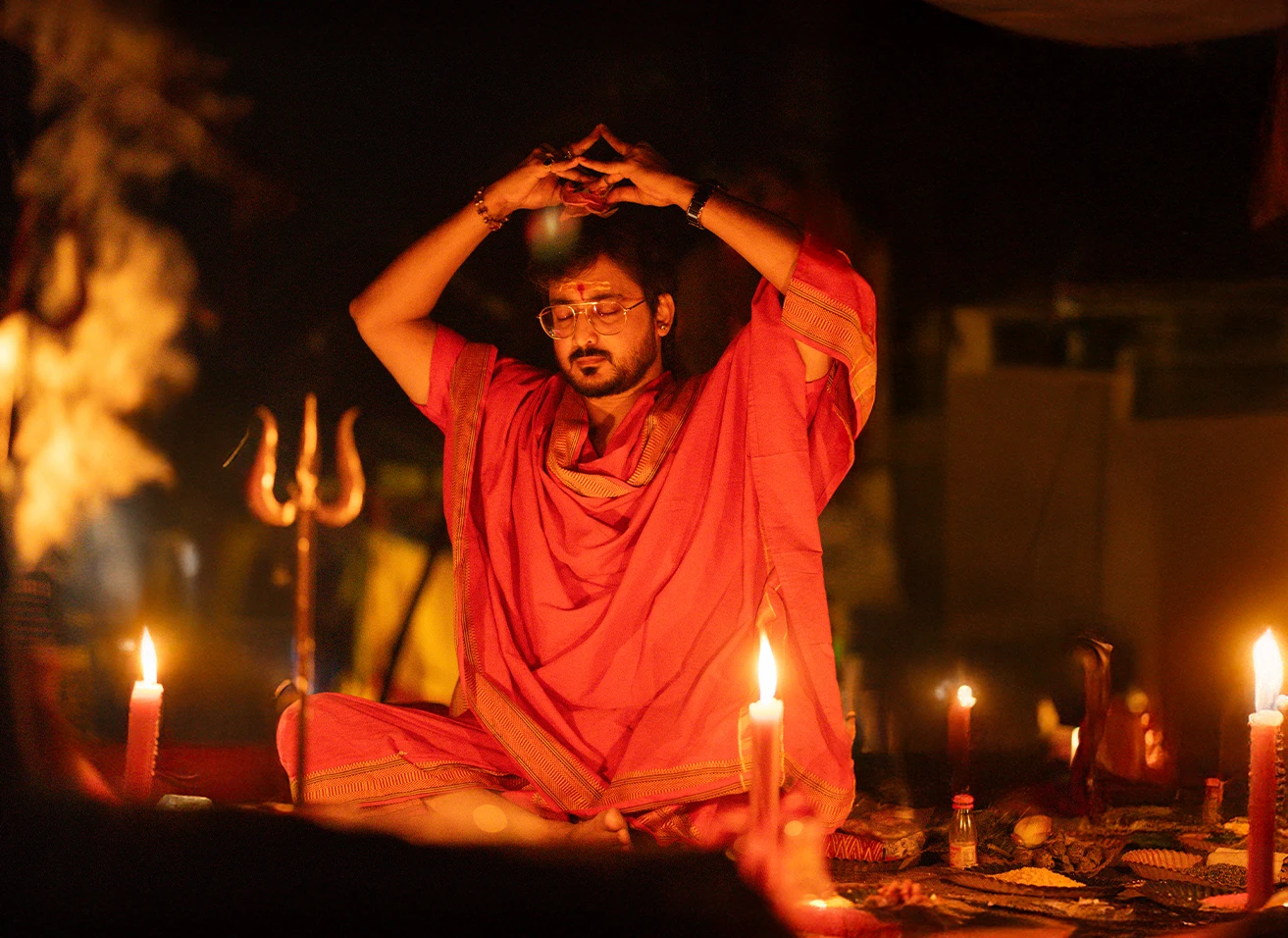
The moment you step onto the narrow lanes of old Kolkata, the scent of dhuna incense and marigold garlands clings to the air like a whispered blessing. Every corner of this city hums with a spiritual energy that has drawn seekers, saints, and sadhaks for centuries. When life feels heavy and the soul longs for answers that logic cannot provide, millions of hearts turn toward a single question: who is the famous tantra guru in Kolkata who can truly hear their prayers and guide them through the darkness?
This question is not simply about finding a name or a title. It is about discovering a sacred presence that can see your pain, honor your struggles, and walk beside you on the path of healing and transformation. The City of Joy holds secrets that most travelers never uncover: ancient lineages of tantric wisdom passed down through generations of dedicated practitioners who have kept the flame of authentic sadhana alive even as the modern world rushes past.
For those standing at a crossroads, whether in relationships, career, health, or spiritual awakening, the search for a genuine tantra guru becomes the most important journey of their lifetime. You are not alone in this search. Thousands of sincere seekers across Kolkata, Bengal, and the global diaspora have walked this same path, and what they discovered changed everything they believed about what is possible in this life and beyond.
The Sacred Heart of Kolkata: Where Tantra Lives
Kolkata has never been just another Indian city. It is the spiritual capital where the goddess herself is said to walk in human form. The ancient Kalighat temple, where Ma Kali's presence has been felt by countless devotees for over eight hundred years, stands as the beating heart of tantric tradition in Bengal. Every day, thousands of seekers arrive at its threshold carrying their burdens, their broken dreams, and their whispered prayers for deliverance from suffering.
The tantric tradition did not arrive in Kolkata by accident. This land has been sacred to the worship of Shakti, the divine feminine energy that moves through all creation, since time immemorial. The rivers, the cremation grounds, the ancient peepal trees, and even the bustling markets carry within them the vibrations of countless sadhanas performed by dedicated practitioners across the ages.
When you ask who the famous tantra guru in Kolkata is today, you are really asking who carries forward this ancient flame in a world that often forgets its own sacred roots. The answer requires understanding something deeper than mere reputation or social media followers. True tantric mastery is earned through years of tapasya, silent sadhana in isolated places, and complete surrender to the divine will that moves through all beings.
The tantric masters of Kolkata understand that this path is not about supernatural powers or black magic, as the uninitiated often believe. It is about the profound science of consciousness, the systematic awakening of dormant spiritual energies within the human body, and the direct experience of divine reality that transcends intellectual understanding. When you meet a genuine tantra guru, you feel something shift inside you, a recognition that happens at the level of the soul before the mind can process what is occurring.
Why Bengal Became the Cradle of Authentic Tantra
Long before modern spirituality became fashionable, Bengal was already the sacred ground where tantric wisdom flourished in its purest forms. The land between the Ganges and the Brahmaputra, blessed by fifty-one Shakti Peethas scattered across the region, became the natural home for seekers who craved direct spiritual experience rather than empty rituals performed without devotion or understanding.
The tantric tradition of Bengal recognizes that every human being carries within them both light and shadow, creation and destruction, and knowledge and ignorance. Rather than denying these dualities or trying to escape them, the authentic tantra guru teaches students how to embrace the totality of their experience and transform every aspect of their lives into a living prayer. This radical acceptance of human reality as the gateway to divine realization is what makes Bengali tantra so powerful and so relevant even today.
The great masters who walked these lands before us understood that spiritual practice must be practical, grounded in daily life, and accessible to ordinary people with ordinary struggles. They did not retreat to distant mountains or hide in forest hermitages. They lived among the people, healed the sick, counseled the brokenhearted, and guided lost souls back to their true nature through compassionate wisdom and sacred remedies that addressed the root causes of suffering rather than merely treating the symptoms.
The Living Lineage That Connects Past and Present
Authentic tantric wisdom in Kolkata flows through an unbroken chain of transmission known as guru parampara. This sacred lineage ensures that the teachings remain pure, undistorted by time, ego, or the corruption that often accompanies spiritual authority. When you seek a famous tantra guru in Kolkata who truly deserves that title, you are seeking someone who carries the blessings and the responsibilities of this ancient chain of transmission.
The parampara is not merely a list of names in a historical record. It is a living current of spiritual energy that flows from guru to disciple, generation after generation, maintaining the potency and authenticity of the teachings. Each master who receives this transmission must first purify themselves through years of dedicated sadhana before they are empowered to guide others on the path. This rigorous process ensures that only those who have truly walked the journey themselves are entrusted with the responsibility of leading others through the same terrain.
When you finally sit before a genuine tantra guru, you are not just meeting one person. You are connecting with an entire lineage of realized beings whose accumulated wisdom and blessings flow through this single human vessel to reach you exactly when you need it most. This is why the relationship between guru and disciple is considered the most sacred bond in all of spiritual life, more precious than any material possession or worldly achievement.
Understanding What Tantra Truly Means Beyond the Myths
Ask most people what tantra means, and you will hear answers filled with misconceptions born from ignorance, fear, and deliberate misrepresentation. Popular culture has reduced this profound spiritual science to sexual practices, black magic, or supernatural tricks designed to manipulate others for personal gain. Nothing could be further from the truth of what authentic tantra actually represents in the lives of sincere practitioners.
The word "tantra" itself comes from the Sanskrit roots "tan," meaning to expand or stretch out, and "tra," meaning to liberate or protect. Tantra is therefore the sacred science that expands consciousness and liberates the practitioner from the limitations of ordinary perception. It is the systematic methodology for transforming ordinary human awareness into divine awareness through precise practices that work directly with the subtle energies of body, speech, and mind.
When a genuine tantra guru in Kolkata initiates a sincere student into tantric practice, they are not handing over magical formulas for getting what you want. They are providing a complete framework for understanding reality at its deepest levels and learning how to align your individual will with the universal will that orchestrates all of existence. This alignment is what creates the miracles that outsiders attribute to supernatural powers but which practitioners understand as the natural result of living in harmony with divine law.
The Sacred Philosophy Behind Tantric Practice
At the heart of tantric philosophy lies the recognition that this world is not an illusion to be escaped but a sacred manifestation of divine consciousness to be honored and understood. Unlike paths that seek liberation by rejecting the body, the senses, and worldly life, tantra embraces these as the very tools through which enlightenment is achieved. The body becomes the temple, the breath becomes the prayer, and every action becomes an offering to the divine presence that permeates all things.
This radical shift in perspective transforms how practitioners relate to their own struggles and challenges. Instead of seeing obstacles as punishments or signs of spiritual failure, the tantric student learns to recognize them as opportunities for growth and purification. Every difficulty becomes a doorway to deeper understanding, and every pain becomes a teacher pointing toward the nature of reality itself.
The famous tantra gurus of Kolkata understand that modern seekers live complicated lives filled with responsibilities, relationships, and worldly concerns that cannot simply be abandoned in pursuit of spiritual awakening. Rather than asking students to renounce their families, careers, or material possessions, authentic tantra teaches how to transform these very aspects of life into spiritual practice. A householder who approaches their work with sacred intention, who treats their family members as manifestations of the divine, and who performs their daily duties as offerings to the higher self becomes a tantric practitioner of the highest order.
The Three Pillars of Authentic Tantra
Genuine tantric practice rests upon three foundational pillars that distinguish it from the superficial imitations that flood the modern spiritual marketplace. These pillars are mantra, yantra, and mandala, each representing a different dimension of the sacred science that has been preserved through countless generations of dedicated practitioners.
Mantra is the science of sacred sound, the recognition that certain vibrational patterns carry within them the power to transform consciousness at the most fundamental levels. When a tantra guru initiates a student with a specific mantra, they are not simply giving them words to repeat mechanically. They are transmitting a living current of spiritual energy that works on the subtle body to awaken dormant potentials, dissolve karmic obstacles, and create direct connection with the divine forces that govern reality.
Yantra represents the sacred geometry of consciousness, the visual expressions of spiritual truths that cannot be fully captured in language. These intricate diagrams serve as portals through which the practitioner can access higher states of awareness and establish direct communion with specific divine energies. Each yantra carries its own unique frequency and purpose, whether it is meant to invoke protection, abundance, wisdom, healing, or liberation from suffering.
Mandala encompasses the entire field of sacred space and ritual action, the understanding that how we arrange our environment and perform our daily activities directly affects our spiritual development. The tantra guru teaches students how to create sacred spaces within their own homes, how to perform daily pujas that maintain connection with the divine, and how to transform ordinary activities like cooking, eating, and sleeping into acts of worship that accumulate spiritual merit and accelerate the journey toward enlightenment.
Recognizing the Marks of a Genuine Tantra Guru
In a world filled with charismatic teachers, social media influencers, and self-proclaimed spiritual masters, how do you recognize someone who truly deserves the title of famous tantra guru in Kolkata? This question matters more than you might imagine, because placing your trust in the wrong teacher can lead to disappointment, exploitation, and even spiritual harm that takes years to heal from.
The authentic tantra guru never needs to advertise their greatness or claim supernatural powers. Their presence speaks for itself, radiating a quality of peace, wisdom, and compassion that immediately affects everyone who comes into contact with them. When you sit before such a teacher, you feel your mind becoming quieter, your heart opening wider, and your soul recognizing something familiar and deeply true even if your conscious mind has never encountered this teaching before.
One of the clearest signs of authentic tantric mastery is the complete absence of ego in how the teacher presents themselves and relates to students. The genuine guru understands that they are merely a channel through which divine grace flows, never the source of that grace themselves. They deflect praise, redirect attention to the divine, and insist that any transformation students experience is the result of their own sincere effort and the blessings of the lineage rather than any personal power belonging to the teacher.
The Qualities That Cannot Be Faked
True tantric wisdom produces specific qualities in the practitioner that simply cannot be manufactured through acting or psychological manipulation. The first and most obvious is profound inner peace that remains unshaken by external circumstances. A genuine tantra guru may face the same challenges as any other human being—illness, loss, conflict, uncertainty—but they meet these challenges with a calm equanimity that comes from having realized the eternal nature of consciousness beyond the changing forms of material existence.
Compassion is the second unmistakable mark of authentic tantric mastery. This is not the shallow sympathy that feels sorry for others from a position of superiority, but the deep recognition that all beings are manifestations of the same divine consciousness and therefore deserve love, respect, and assistance regardless of their past actions or current circumstances. The genuine tantra guru sees the divine spark even in those whom society has rejected and works tirelessly to help every being they encounter awaken to their own inherent worth and spiritual potential.
Wisdom that transcends intellectual knowledge represents the third quality that distinguishes authentic teachers from pretenders. The genuine tantra guru understands reality at a level that cannot be reduced to words or concepts, yet they can skillfully use language to point students toward direct experience of truth. Their teaching emerges from lived realization rather than memorized scriptures and therefore carries a living power that awakens understanding in receptive hearts even when the rational mind resists what is being communicated.
Warning Signs of False Teachers
Just as important as recognizing genuine masters is learning to identify the red flags that mark false teachers who exploit sincere seekers for personal gain. The spiritual marketplace is unfortunately filled with individuals who have learned to mimic the outward signs of authentic realization while lacking any genuine spiritual attainment or ethical foundation to support their claims.
One of the most dangerous warning signs is any teacher who demands absolute obedience while refusing to submit themselves to any form of accountability or questioning. The authentic tantra guru welcomes sincere questions, encourages students to test teachings through direct experience, and understands that blind faith without understanding is spiritually immature. They know that the goal of teaching is to produce independent practitioners who can stand on their own two feet, not dependent followers who cannot think for themselves.
Financial exploitation is another clear marker of inauthentic spiritual teachers. While it is perfectly appropriate for students to offer dakshina or donations to support their teacher's work and living expenses, the genuine tantra guru never makes spiritual advancement conditional upon financial contributions. They never pressure students to purchase expensive courses, make large donations, or enter into financial arrangements that create dependency or obligation beyond what is freely given from the heart.
Perhaps most troubling of all are teachers who claim exclusive access to divine truth while denigrating all other spiritual paths. The authentic tantra guru understands that many roads lead to the same summit and honors sincere practitioners of all traditions while remaining firmly rooted in their own lineage. They have no need to put down others in order to elevate themselves, because their realization is secure and cannot be threatened by the existence of alternative approaches to the same eternal truth.
Legendary Tantra Masters Who Shaped Bengal's Spiritual Heritage
To understand who the famous tantra guru in Kolkata is today, we must first honor the great masters who came before and established the spiritual foundations upon which contemporary practitioners stand. Their lives read like sacred epics, filled with extraordinary sadhana, divine visions, miraculous interventions, and unwavering devotion to the goddess who guided their every step.
Bamakhepa of Tarapith stands as perhaps the most beloved tantric saint in Bengali history, a wild and unconventional master who lived in cremation grounds and worshipped the goddess Tara with fierce devotion that shocked respectable society. Born in 1837, this remarkable soul rejected conventional religious practices and instead embraced the most extreme forms of tantric sadhana that required complete transcendence of social norms and egoic attachments.
What made Bamakhepa so extraordinary was not his supernatural powers, though those were certainly present, but his radical love for the divine that expressed itself through apparent madness. He would argue with the goddess, demand her blessings for suffering devotees, and treat the cremation ground where he lived as his beloved mother's lap. Seekers from all walks of life, from kings to beggars, came to receive his blessings and left transformed by the direct experience of divine grace that flowed through this unconventional master.
Sri Ramakrishna and His Tantric Initiation
Most people know Sri Ramakrishna Paramahamsa as the great saint who practiced all religions and realized their essential unity, but fewer understand that his spiritual journey included deep immersion in tantric practices under the guidance of a female guru named Bhairavi Brahmani. This remarkable woman recognized Ramakrishna's extraordinary spiritual potential and initiated him into the most advanced tantric sadhanas that required complete transcendence of all dualities and social conditioning.
During this period of his life, Ramakrishna performed practices that would shock conventional religious sensibilities. He worshipped in cremation grounds, meditated naked in isolated places, and engaged in rituals designed to transcend all distinctions between pure and impure, sacred and profane. These practices were not meant to degrade him but to shatter every conceptual framework that stood between him and direct experience of the divine reality that transcends all human categories.
The tantric phase of Ramakrishna's spiritual development was essential for completing his realization and preparing him for the universal message he would later share with the world. Through these intense practices, he learned that the goddess he worshipped as Mother Kali was not separate from the formless absolute that philosophers called Brahman. This realization that personal and impersonal aspects of divinity are ultimately identical became the foundation of his teaching that all religions lead to the same goal and that all forms of sincere spiritual practice are valid paths to liberation.
Anandamayi Ma and the Living Presence
Sri Anandamayi Ma represents another extraordinary example of tantric realization that manifested in a female body, challenging the patriarchal assumptions that often surround spiritual leadership in India. Born in 1896 in what is now Bangladesh, this remarkable soul showed signs of extraordinary spiritual development from early childhood, often entering into states of deep samadhi where her body would become rigid and unresponsive to external stimuli while her consciousness roamed in higher dimensions of reality.
What made Anandamayi Ma so unique was that her spiritual practices seemed to arise spontaneously from within rather than being taught by any external guru. She performed complex tantric rituals with perfect precision despite never having received formal instruction, suggesting that her realization came from previous lifetimes of dedicated sadhana. Devotees who witnessed these practices described them as flawless in every detail, performed with a natural grace that indicated deep familiarity with the subtle energies being invoked.
Throughout her life, Anandamayi Ma remained accessible to seekers from all backgrounds while maintaining her own intensive spiritual practice. She traveled extensively throughout India and eventually around the world, blessing thousands of devotees with her presence and offering guidance tailored to each individual's specific needs and level of spiritual development. Her teaching emphasized the essential simplicity of spiritual life, the recognition that God is closer than one's own breath and can be realized through sincere love and surrender rather than complicated rituals or intellectual study.
Trailanga Swami and the Yogi of Varanasi
Though not exclusively associated with Kolkata, Trailanga Swami maintained connections with Bengali spiritual seekers and represents another example of the kind of tantric mastery that occasionally manifests in human form to remind us of our infinite spiritual potential. This extraordinary being is said to have lived for over two hundred years, appearing in different locations across India while maintaining the same physical form throughout this incredible lifespan.
Trailanga Swami's practice focused on the most advanced forms of tantric yoga that work directly with the subtle energies of the body to achieve what yogis call kaya kalpa, the transformation of the physical body into a divine vehicle capable of surviving indefinitely in the material world. His practices included prolonged periods of meditation in cremation grounds, consumption of substances that would kill ordinary humans, and various forms of breath control that allowed him to enter states of suspended animation where his body's metabolic processes slowed to almost undetectable levels.
What made Trailanga Swami so remarkable was not just his longevity but his complete transcendence of ordinary human limitations. He could appear in multiple locations simultaneously, communicate without speaking, and demonstrate knowledge of events happening far away from his physical presence. Yet despite these extraordinary abilities, he remained humble and accessible, never using his powers to attract followers or build a spiritual empire around himself.
The Contemporary Tantra Guru in Modern Kolkata
The famous tantra guru in Kolkata today faces challenges that previous generations could never have imagined. Modern seekers come with different questions, different struggles, and different expectations than those who sought guidance in earlier times. They are educated professionals with demanding careers, parents raising children in a complex world, and individuals navigating relationships in an era of constant technological distraction and social upheaval.
Yet the fundamental human needs remain the same across all ages. People still seek healing from emotional wounds, guidance through difficult life transitions, protection from negative influences, and answers to the eternal questions about life's purpose and what happens after death. The authentic tantra guru understands these timeless needs while skillfully adapting ancient methods to address contemporary challenges in ways that modern minds can understand and integrate.
Today's seekers often arrive carrying the weight of multiple simultaneous crises. A successful business owner might be facing divorce while also dealing with serious health issues and spiritual confusion about life's meaning. A young professional might be struggling with anxiety and depression despite apparent external success. A mother might be desperately seeking help for a child facing educational challenges or behavioral problems. The contemporary tantra guru must be able to address this complexity with wisdom that recognizes how all these different aspects of life are interconnected and influence each other.
How Modern Masters Preserve Ancient Wisdom
The greatest challenge facing contemporary tantra gurus in Kolkata is preserving the authenticity and potency of ancient teachings while making them accessible to people who live fast-paced modern lives. The traditional approach required students to live in the guru's ashram for years, performing menial service while gradually being introduced to deeper practices only after proving their sincerity and readiness.
This model simply does not work for most modern seekers who cannot abandon their families, careers, and responsibilities to pursue spiritual development full-time. The authentic contemporary teacher recognizes this reality and has developed innovative approaches that maintain the essence of tantric wisdom while adapting the delivery methods to fit contemporary lifestyles.
Structured courses that can be completed over weeks or months rather than years of residential study have become essential for making tantric wisdom accessible to working professionals. These courses provide comprehensive education in the philosophical foundations, practical methodologies, and ethical considerations of tantric practice, allowing students to integrate authentic sadhana into their daily lives without requiring complete lifestyle upheaval.
Remote consultations and online teaching have also become important tools for reaching sincere seekers who live far from Kolkata or whose circumstances prevent them from traveling to meet with a guru in person. When conducted with proper intention and ethical boundaries, these modern communication methods can transmit authentic spiritual guidance and even empower students with mantras and practices that work regardless of physical distance between teacher and disciple.
The Role of Tantra in Addressing Modern Suffering
Contemporary tantra gurus in Kolkata recognize that modern suffering often takes forms that previous generations rarely encountered. Technology addiction, social media comparison, information overload, and existential anxiety about global problems create unique psychological challenges that require spiritual solutions specifically designed for twenty-first-century consciousness.
Authentic tantric practice offers powerful tools for addressing these modern forms of suffering because it works directly with the subtle energies of mind and body that are disrupted by constant digital stimulation and chronic stress. Specific mantras, breathing practices, and meditation techniques can help restore balance to the nervous system, quiet the incessant mental chatter that plagues modern minds, and reconnect practitioners with the deeper peace that always exists beneath the surface turbulence of contemporary life.
Relationship difficulties represent another area where tantric wisdom offers profound healing for modern couples and families. The authentic tantra guru understands that most relationship problems stem from energetic imbalances, unhealed childhood wounds, and karmic patterns that play out unconsciously between partners. Tantric remedies, including specific mantras for harmonizing masculine and feminine energies, yantras for creating sacred space in the home, and ritual practices for purifying negative emotions, can create profound transformations in relationship quality that conventional counseling alone cannot achieve.
Professional success and financial stability remain important concerns for modern seekers who must support themselves and their families while pursuing spiritual growth. The famous tantra guru in Kolkata understands that material prosperity is not antithetical to spiritual development when approached with right intention and ethical conduct. Tantric practices for removing obstacles to success, attracting abundance, and developing the clarity needed for wise business decisions can help sincere practitioners achieve financial security without compromising their spiritual values.
The Journey of Finding Your Personal Tantra Guru
Searching for the famous tantra guru in Kolkata who will guide your spiritual journey is itself a sacred practice that requires patience, discernment, and trust in divine timing. The right teacher will appear in your life exactly when you are ready to receive their guidance, neither before when you are not prepared to do the necessary work nor after when you have waited so long that you have lost the momentum of your sincere seeking.
The process of finding your guru begins long before you actually meet them in person. It starts with the awakening of genuine spiritual hunger that cannot be satisfied by superficial practices or intellectual understanding alone. This hunger drives you to explore, to question, to seek out different teachers and traditions until something clicks in your heart and you recognize that you have found what your soul has been searching for.
During this searching phase, it is essential to maintain both open-mindedness and critical discernment. You must be willing to explore different possibilities while also protecting yourself from teachers who might exploit your vulnerability or lead you down paths that do not serve your highest spiritual development. This balance requires developing your own inner wisdom and intuition while remaining humble enough to recognize that you still have much to learn from those who have walked the path before you.
The Signs That You Have Found Your True Teacher
When you finally encounter the tantra guru who is meant to guide you on this lifetime's journey, certain unmistakable signs will confirm that this connection is divinely ordained rather than merely coincidental. The first sign is a profound sense of recognition and familiarity that goes beyond rational explanation. You feel as though you have known this teacher for many lifetimes, even if you just met them yesterday, and your heart opens to them in a way that feels both natural and inevitable.
The second sign is the immediate effect their presence has on your state of being. When you sit before your true guru, your mind becomes quieter, your heart expands, and you feel a sense of peace and clarity that may have eluded you for years despite your best efforts in other spiritual practices. This is not merely a psychological suggestion but the actual transmission of spiritual energy that occurs when two souls connected through divine grace come into contact with each other.
The third sign is the transformation that begins occurring in your life after receiving their guidance and blessings. Problems that seemed insurmountable begin resolving themselves, opportunities appear exactly when needed, and you find yourself naturally moving toward behaviors and attitudes that support your spiritual growth without forcing yourself through sheer willpower. These changes indicate that the guru's grace is actively working through your life to remove obstacles and create the conditions necessary for your awakening.
Preparing Yourself to Receive Authentic Guidance
Finding the right tantra guru is only half the equation. You must also prepare yourself to receive their guidance in a way that allows their teachings to take root and produce genuine transformation in your life. This preparation involves cultivating specific qualities and attitudes that create the fertile ground necessary for spiritual seeds to grow into mature realization.
Sincere humility represents the most essential quality for any spiritual student. You must approach the guru with the recognition that they have something to teach you that you do not yet know, regardless of how educated, successful, or accomplished you might be in worldly terms. This humility is not self-deprecation but honest acknowledgment that spiritual wisdom operates on a different level than intellectual knowledge or professional expertise.
Willingness to do the necessary work is equally important for successful spiritual development. The authentic tantra guru provides the guidance, the methods, and the blessings, but the actual practice must be performed by the student themselves. No teacher can awaken you while you sleep, and no master can purify your karma while you remain attached to the very behaviors creating that karma. Spiritual maturity requires taking personal responsibility for your own sadhana while remaining open to guidance from those more advanced on the path.
Patience represents the third essential quality for serious spiritual students. Authentic transformation happens gradually over time rather than through dramatic overnight changes, and the sincere practitioner must be willing to maintain consistent practice through periods when visible results seem absent. The guru's grace works in ways that are often invisible to ordinary perception, removing obstacles and creating opportunities that only become apparent much later when looking back from a more advanced stage of development.
Practical Tantra for Everyday Life Transformation
One of the greatest gifts offered by the famous tantra guru in Kolkata is the understanding that spiritual practice need not be confined to meditation cushions, temple rituals, or forest retreats. Authentic tantra provides practical tools that can be integrated into every aspect of daily life, transforming ordinary activities into opportunities for spiritual growth and divine connection.
The morning hours represent a particularly powerful time for tantric practice because the mind is fresh, the environment is quiet, and the subtle energies of nature are most accessible. The sincere practitioner learns to establish a morning sadhana routine that may include mantra recitation, breathing exercises, meditation, and ritual offerings that create a foundation of spiritual energy supporting them throughout the entire day ahead.
Even the most basic activities like bathing, eating, and sleeping can be transformed into tantric practices when approached with sacred intention and proper methodology. The tantra guru teaches students specific mantras to recite during bathing that purify not only the physical body but also the subtle energy field surrounding it. Eating becomes a sacred ritual when performed with gratitude, mindfulness, and offerings to the divine forces that provided the food. Sleep becomes a conscious transition into dream states where spiritual work continues on subtle levels of consciousness.
Tantric Remedies for Specific Life Challenges
The practical applications of tantra become most visible when addressing specific life challenges that cause suffering for sincere seekers. These challenges might include relationship problems, career obstacles, health issues, financial difficulties, or spiritual confusion about life's purpose and direction. The authentic tantra guru offers targeted remedies designed to address the root causes of these problems rather than merely treating their surface symptoms.
Relationship difficulties often stem from energetic imbalances between partners or unresolved karmic patterns from previous lifetimes that create unconscious attraction and repulsion between two people. The tantra guru may prescribe specific mantras to be recited together or separately, yantras to be placed in the bedroom or other shared spaces, and ritual practices designed to purify negative emotions and cultivate qualities of love, compassion, and understanding between partners.
Professional obstacles might result from negative planetary influences, past negative karma related to work activities, or energetic blockages that prevent the natural flow of success and abundance. Tantric remedies for these situations often include specific practices for appeasing planetary deities, rituals for removing obstacles to success, and mantras that enhance qualities like clarity of mind, effective communication, and wise decision-making that naturally lead to professional achievement.
Health challenges frequently have both physical and subtle energetic dimensions that must be addressed simultaneously for complete healing to occur. While modern medicine treats the physical symptoms, tantric practices work on the subtle body to remove the energetic causes of disease and strengthen the life force that maintains physical health. The tantra guru may prescribe specific mantras for healing, breathing practices that balance the body's energy systems, and dietary recommendations based on ayurvedic principles that support both physical and energetic health.
Creating Sacred Space in Your Daily Environment
The environment in which you live and work profoundly affects your state of consciousness and spiritual development. The famous tantra guru in Kolkata teaches students how to transform their living spaces into sacred environments that support rather than hinder spiritual practice, regardless of whether they live in luxurious homes or modest apartments.
Every home contains energetic patterns that develop over time through the activities, emotions, and thoughts of the people who inhabit it. Negative experiences, arguments, illness, and suffering leave energetic imprints that continue affecting residents long after the original events have passed. The tantra guru teaches methods for purifying these negative energetic patterns and creating fresh, positive energy that supports health, happiness, and spiritual growth.
Specific areas of the home can be designated for spiritual practice and maintained as sacred spaces that serve as portals for divine connection. Even a small corner with a clean cloth, sacred images, incense, and offerings can become a powerful place for meditation and ritual when properly consecrated and maintained with consistent practice. The tantra guru provides detailed instructions for creating and maintaining these sacred spaces, including proper directional orientation, appropriate sacred objects, and daily maintenance practices that keep the energy pure and potent.
Yantras represent particularly powerful tools for creating sacred space because they serve as focal points for divine energies and create protective energetic boundaries that shield residents from negative influences. The authentic tantra guru can empower specific yantras for particular purposes, whether protection from negative energies, attraction of positive abundance, enhancement of relationship harmony, or support for specific spiritual practices. These yantras must be properly consecrated and maintained according to specific protocols to remain effective over time.
Nabatara Institute and Authentic Tantra Education
For sincere seekers searching for the famous tantra guru in Kolkata who can provide comprehensive education in authentic tantric wisdom, Nabatara Institute represents a unique opportunity to receive traditional teachings in a modern format that accommodates contemporary lifestyles. Founded by Gaurav Tribedi, this institution has established itself as a trusted source for authentic spiritual education rooted in ancient Vedic traditions while addressing the specific needs of today's seekers.
What distinguishes Nabatara Institute from other spiritual education providers is its unwavering commitment to preserving the authenticity and purity of traditional teachings while making them accessible to modern students. The institute is registered under the Government of India's Ministry of Corporate Affairs, providing students with the assurance that they are dealing with a legitimate, accountable organization rather than an informal or potentially exploitative arrangement.
The comprehensive curriculum offered by Nabatara Institute covers multiple dimensions of spiritual practice, including astrology, numerology, Vastu Shastra, occult science, ancient spiritual sadhana, puja practices, yoga, and meditation. This integrated approach recognizes that these different disciplines are not separate subjects but interconnected aspects of a unified spiritual science that addresses every dimension of human existence from the material to the transcendent.
Comprehensive Courses for Serious Practitioners
Nabatara Institute offers structured courses designed for different levels of practitioners, from complete beginners who are just starting their spiritual journey to advanced students who wish to deepen their existing practice or eventually teach others. Each course provides systematic education in both theoretical understanding and practical application, ensuring that students graduate with both knowledge and the ability to actually use what they have learned in their daily lives.
The introductory courses provide solid foundations in basic concepts, terminology, and practices that prepare students for more advanced study. These courses cover essential topics like understanding the nature of consciousness, learning basic mantras and meditation techniques, establishing daily sadhana routines, and developing the ethical foundation necessary for safe and effective spiritual practice. Students who complete these foundational courses gain confidence in their ability to practice independently while also understanding when they need additional guidance from more experienced teachers.
Intermediate courses build upon these foundations by introducing more complex practices, deeper philosophical understanding, and specialized applications of tantric wisdom for addressing specific life challenges. Students learn advanced mantra techniques, complex yantras, elaborate ritual practices, and methods for working with subtle energies that require greater skill and understanding to use safely and effectively. These courses often include practical assignments that allow students to apply their learning in real-world situations under guidance and supervision.
Advanced courses are designed for serious practitioners who wish to achieve mastery in specific areas of tantric practice or who aspire to eventually teach others. These courses involve intensive study, prolonged periods of dedicated practice, direct transmission of advanced techniques, and preparation for the responsibilities that come with sharing sacred wisdom with others. Students who complete advanced courses often receive special initiations and authorizations that enable them to guide others on the path under the ongoing supervision and support of their teachers.
Personal Consultations and Spiritual Services
Beyond comprehensive educational courses, Nabatara Institute provides personal consultations and spiritual services for individuals facing specific challenges that require individualized attention and guidance. These services are particularly valuable for seekers who need immediate help with pressing problems or who want personalized advice about which spiritual practices would be most beneficial for their unique situation.
Astrological consultations represent one of the most popular services offered, providing detailed analysis of birth charts to reveal karmic patterns, timing of life events, inherent strengths and challenges, and specific remedies that can help individuals navigate difficult periods more successfully. These consultations combine traditional Vedic astrological wisdom with tantric understanding of how to work with the subtle energies represented in the birth chart to create positive transformation.
Vastu consultations help individuals optimize the energetic quality of their living and working spaces by identifying imbalances and prescribing specific remedies to restore harmony and support positive outcomes. These consultations examine factors like directional orientation, room placement, furniture arrangement, color choices, and the presence of various objects to identify what might be contributing to difficulties or preventing desired outcomes from manifesting.
Remedial pujas and rituals performed by qualified priests trained in authentic tantric traditions represent another important service offering. These ceremonies are specifically designed to address particular challenges or create specific positive outcomes through the invocation of divine energies and the performance of sacred actions according to traditional protocols. Whether seeking relief from health problems, resolution of relationship difficulties, success in business ventures, or spiritual advancement, specific pujas can be performed to invoke divine grace and create the conditions necessary for desired outcomes to manifest.
Beginning Your Sacred Journey Today
If reading these words has awakened something deep within your heart, a recognition that you have been searching for exactly this kind of guidance and wisdom, then perhaps this is your moment to take the first step on a journey that will transform every aspect of your existence. The famous tantra guru in Kolkata who can guide you toward your highest potential exists, and the path to connecting with that guidance is clearer than you might imagine.
Many sincere seekers hesitate to begin their spiritual journey because they feel they are not ready, not pure enough, not disciplined enough, or not worthy of receiving sacred teachings. These doubts are natural but unfounded, because spiritual wisdom is not reserved for perfect beings but offered freely to anyone who approaches with sincere intention and open heart. The great masters of the past were often ordinary people with ordinary struggles who simply said yes to the call of their souls and began walking the path one step at a time.
The first step on any spiritual journey is always the most difficult because it requires moving beyond familiar patterns and entering unknown territory where old certainties no longer apply. Yet this very difficulty indicates that genuine transformation is possible, because if the path were easy, it would not lead anywhere worth going. The struggles you face in beginning your practice are the same struggles that every sincere practitioner has faced throughout history, and they are signs that you are doing real spiritual work rather than merely going through superficial motions.
What to Expect When You Begin Authentic Practice
Beginning authentic tantric practice under proper guidance produces specific experiences and changes that sincere practitioners should expect and understand rather than fear or resist. The first period often involves what teachers call purification, where accumulated negative karma and energetic blockages begin releasing themselves as you create space for higher energies to flow through your being.
This purification process can manifest in various ways that might initially seem troubling to unprepared practitioners. Old emotional wounds may surface demanding attention and healing, physical symptoms might temporarily intensify before improving, relationships might shift as you outgrow old patterns, and you might experience periods of uncertainty or confusion as your old worldview dissolves and new understanding gradually emerges. These are all normal parts of the spiritual maturation process that indicate genuine transformation is occurring.
As practice continues and deepens, practitioners typically experience increasing clarity, peace, and intuitive wisdom that helps them navigate life more effectively. Solutions to problems appear more readily, synchronicities become more frequent, and you develop a sense of being supported by forces beyond your personal efforts. Your relationships improve as you become more present and compassionate, your work becomes more fulfilling as you align it with your deeper purpose, and your overall quality of life enhances in ways that might seem miraculous to outside observers.
Eventually, dedicated practitioners reach stages of realization where they experience direct recognition of their true nature beyond the limited ego identity they previously mistook for themselves. This is the ultimate goal of tantric practice, not as some distant future achievement but as a present reality that can be directly experienced by anyone willing to do the necessary work. The famous tantra guru in Kolkata exists to guide sincere seekers toward this direct recognition, providing the methods, the blessings, and the ongoing support necessary for this profound awakening to occur.
Taking Your First Step with Nabatara Institute
If you feel drawn to begin your journey with Nabatara Institute and receive guidance from Gaurav Tribedi and the qualified teachers who work with him, the process is simple and accessible regardless of your current location, background, or level of previous spiritual experience. The institute welcomes sincere seekers from all walks of life and provides support tailored to each individual's specific needs and circumstances.
The most straightforward way to begin is to explore the various courses offered on the official website and identify which program best matches your current interests and level of experience. Each course description provides detailed information about what you will learn, how the program is structured, what time commitment is required, and what outcomes you can expect from completing the course successfully. Take time to read these descriptions carefully and choose the program that resonates most strongly with your heart's genuine calling.
For those who prefer personal guidance before committing to a full course, consultation appointments are available to discuss your specific situation, receive personalized recommendations about which practices would be most beneficial, and get answers to any questions you might have about the path ahead. These consultations provide a valuable opportunity to experience the teaching style and approach of Nabatara Institute before making a larger commitment to extended study.
Remember that every spiritual journey begins with a single step, and you do not need to see the entire path ahead before taking that first step. Trust that the guidance you need will appear as you need it, that the right teachers will support you through challenges you cannot yet anticipate, and that the sincere intention you carry in your heart today will gradually blossom into the realization you seek. The famous tantra guru in Kolkata is waiting to meet you, to recognize the divine spark within you, and to guide you home to your own true nature that has been waiting patiently all along for this moment of recognition and return.
Frequently Asked Questions About Tantra Gurus in Kolkata
When sincere seekers begin searching for guidance, certain questions arise repeatedly that deserve thoughtful answers to help clarify the path ahead. These questions reflect genuine curiosity and natural caution about entrusting one's spiritual development to someone else's guidance, and they deserve honest, detailed responses that address both practical concerns and deeper spiritual considerations.
Many people wonder how long it takes to see results from tantric practice, expecting quick solutions to longstanding problems. The authentic answer depends entirely on the nature of the problem, the intensity of your practice, and the depth of karma being addressed. Some simple obstacles might resolve quickly through basic remedies, while deep karmic patterns might require years of dedicated practice to fully transform. The genuine tantra guru helps students set realistic expectations while encouraging consistent effort regardless of when visible results appear.
Another common question concerns whether tantric practices are safe for beginners without extensive preparation or purification. The answer depends on which specific practices are being undertaken and under whose guidance. Basic practices like simple mantra recitation, gentle breathing exercises, and devotional prayers are perfectly safe for anyone to begin immediately. More advanced practices involving intense energy work, prolonged isolation, or extreme austerities require proper preparation and expert supervision to ensure safety and effectiveness.
Many seekers worry about becoming dependent on their guru or losing their personal autonomy through spiritual commitment. The authentic tantra guru actually works against such dependency by teaching students to develop their own inner wisdom and direct connection to divine guidance. The goal is always to produce independent practitioners who can stand on their own spiritual feet, not create dependent followers who cannot function without constant supervision. The genuine teacher celebrates when students mature beyond needing external guidance and become capable of helping others in their own right.
Understanding the Commitment Required
Before beginning serious tantric practice, it is important to understand what level of commitment is actually required for meaningful progress to occur. This understanding helps prevent disappointment when students discover that spiritual development requires consistent effort rather than occasional inspiration or magical intervention from the guru.
Daily practice forms the foundation of all spiritual progress, typically requiring between thirty minutes and two hours each day depending on the specific practices and the student's level of development. This time must be protected from distractions and dedicated exclusively to spiritual work, even when motivation is low or external circumstances make it inconvenient. Consistency matters more than duration, and shorter daily practice is always preferable to occasional long sessions separated by days or weeks of neglect.
Beyond formal practice time, students must also commit to integrating spiritual principles into their daily lives and relationships. This means making conscious choices about how to spend time, with whom to associate, what media to consume, and how to respond to challenging situations. Spiritual development cannot be compartmentalized into practice sessions while the rest of life remains unchanged, because true transformation affects every dimension of existence rather than only the formal practice period.
Finally, serious practitioners must commit to ongoing learning and growth throughout their spiritual journey rather than assuming they have arrived at final understanding after initial experiences. The path continues unfolding for as long as we live in human form, always revealing deeper levels of understanding and new challenges that require fresh approaches. The genuine tantra guru remains available as a resource throughout this ongoing journey, offering guidance and support whenever needed while encouraging students to develop their own direct relationship with divine wisdom.
Building a Sustainable Long-Term Practice
The greatest challenge for many spiritual seekers is maintaining consistent practice over years and decades rather than losing momentum after initial enthusiasm fades. Building a sustainable long-term practice requires specific strategies that address common obstacles and create supportive conditions for ongoing spiritual development regardless of life's inevitable changes and challenges.
Establishing a regular routine that fits naturally into your existing lifestyle represents the most important factor for long-term sustainability. This means choosing practice times that work consistently with your schedule rather than trying to maintain unrealistic routines that depend on perfect conditions. Early morning practice works well for many people because it occurs before daily demands begin pulling attention in multiple directions, but the best time is whatever time you can actually maintain consistently over months and years.
Creating supportive community connections helps maintain motivation and provides opportunities for shared learning and mutual encouragement. Whether this means joining a local meditation group, participating in online forums with fellow practitioners, or regularly meeting with other students of the same teacher, these connections provide valuable support during difficult periods when solitary practice feels challenging. The famous tantra guru in Kolkata often facilitates these community connections as part of the overall support system for students.
Regular check-ins with your teacher help ensure that your practice remains appropriate for your current level of development and life circumstances. What worked perfectly five years ago might no longer serve you as you grow and change, and your teacher can help you adjust your practices to match your evolving needs. These check-ins also provide an opportunity to address any difficulties or questions that arise in practice before they become major obstacles to progress.
Finally, maintaining a beginner's mind throughout your spiritual journey prevents stagnation and keeps practice fresh and vital regardless of how many years you have been walking the path. The moment you assume you have mastered spiritual practice is the moment you stop actually learning and growing. The genuine tantra guru embodies this beginner's mind perfectly, approaching each day and each student with fresh eyes and an open heart regardless of how many decades they have been teaching or how many thousands of students they have guided.
Embracing Your Sacred Destiny Through Authentic Guidance
Every sincere seeker who reads these words carries within them a sacred destiny waiting to unfold through dedicated spiritual practice and proper guidance. You are not here by accident, and your search for the famous tantra guru in Kolkata represents something far more significant than mere curiosity or passing interest in exotic spiritual practices. This search reflects your soul's recognition that you are meant for something greater than ordinary existence, that you carry within you divine potentials waiting to be awakened and expressed in the world.
The challenges you currently face, the questions that keep you awake at night, and the longings that nothing worldly seems to satisfy—all of these are sacred signals pointing you toward your true purpose and calling you home to your authentic spiritual nature. Rather than seeing these struggles as obstacles to happiness, the tantric perspective recognizes them as the very fuel that drives spiritual growth and the catalysts that push you beyond comfortable limitations toward your highest potential.
When you finally connect with authentic guidance from a genuine tantra guru who recognizes your divine nature and knows how to help you realize it for yourself, everything in your life begins shifting toward alignment with your soul's deepest intentions. Relationships transform, career paths clarify, health improves, and you discover reserves of strength, wisdom, and compassion that you never knew you possessed. This is not magical thinking but the natural result of removing the obstacles that have been preventing your innate perfection from expressing itself fully in the world.
The journey ahead requires courage, commitment, and willingness to grow beyond who you currently believe yourself to be. But you do not walk this path alone. The lineage of realized beings stretching back through countless generations stands behind you, the famous tantra guru in Kolkata walks beside you offering guidance and blessings, and the divine consciousness that permeates all existence dwells within you as your own truest self, always available as the ultimate source of wisdom and love.
Take that first step today, reach out for guidance, begin your practice with sincere intention, and trust that every effort you make brings you closer to the realization that has been waiting for you since before time began. Your sacred destiny awaits your yes, your commitment, your willingness to begin the most important journey any human being can undertake. The path is open, the guidance is available, and everything you need to succeed already exists within you, waiting only for your recognition and expression.
For those ready to begin their journey with authentic tantric wisdom under proper guidance, Nabatara Institute offers comprehensive courses, personal consultations, and ongoing support for sincere seekers at every stage of spiritual development. Founded by Gaurav Tribedi and registered under the Government of India, the institute provides accessible, ethical, and authentic spiritual education rooted in ancient Vedic traditions while addressing contemporary needs and challenges. Whether you seek foundational understanding, advanced practice techniques, or personalized guidance for specific life situations, the qualified teachers at Nabatara Institute stand ready to support your journey toward wholeness, wisdom, and liberation.